Coffee Espresso Machines
Choosing an espresso machine
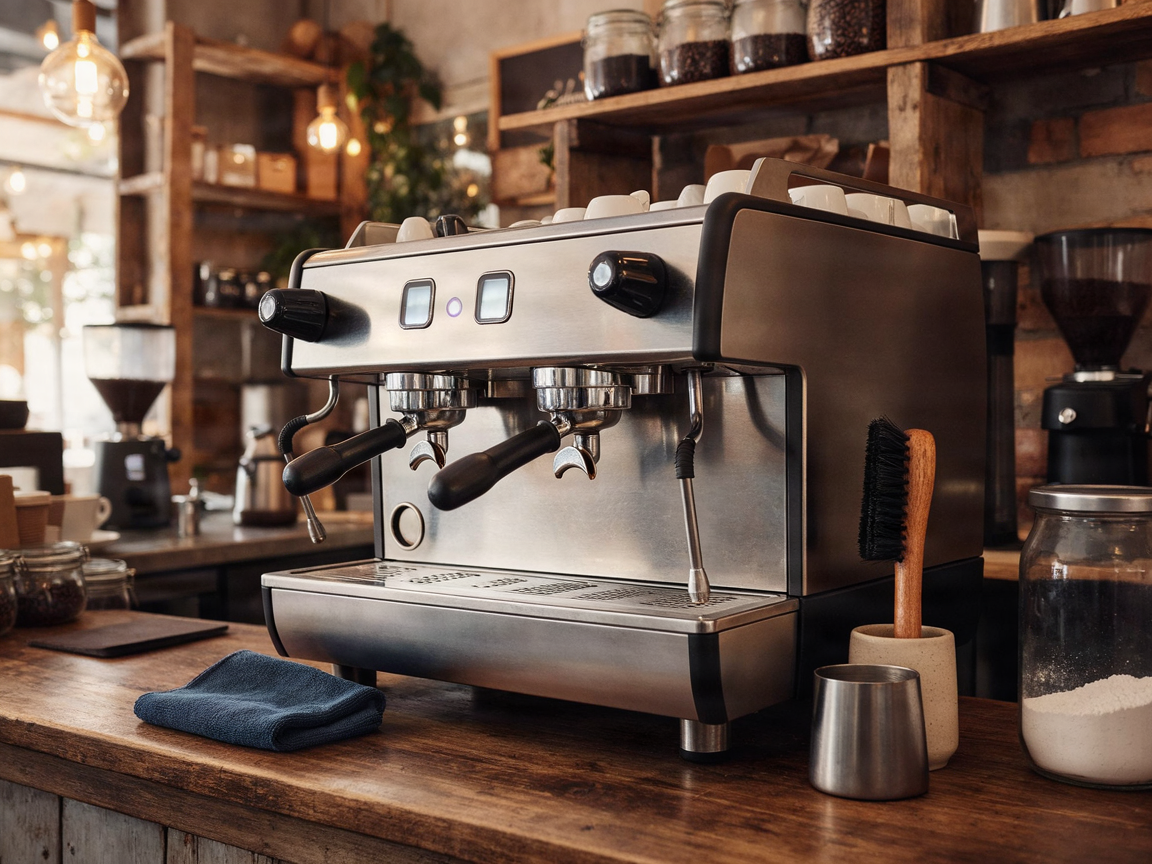
A traditional espresso machine, sometimes called a manual or semi-automatic machine, gives you the most control over your coffee. You grind, dose and tamp the coffee yourself, then the machine forces hot water through it under pressure. It takes a little practice, but the results can match a good coffee shop.
You’ll need a grinder. Unless the machine has one built in, budget for a good burr grinder as well. Espresso needs a fine, very consistent grind, and pre-ground coffee goes stale quickly. A machine with a built-in grinder saves space and money but gives you less choice later.
Pressure and temperature. Don’t be swayed by high bar figures: around 9 bar at the coffee is what matters, and almost every machine reaches it. Stable temperature matters more. Look for a thermoblock or thermocoil heater for fast warm-up, or PID temperature control on better machines for consistent shots.
Steam wand. A proper steam wand lets you texture milk for latte art. Basic “panarello” wands are easier for beginners, while professional-style wands give silkier milk once you’ve learned the technique.
Portafilter size. Many budget machines use smaller portafilters, while 58mm is the café standard. A 58mm portafilter gives you a wider choice of baskets, tampers and accessories as your skills grow.
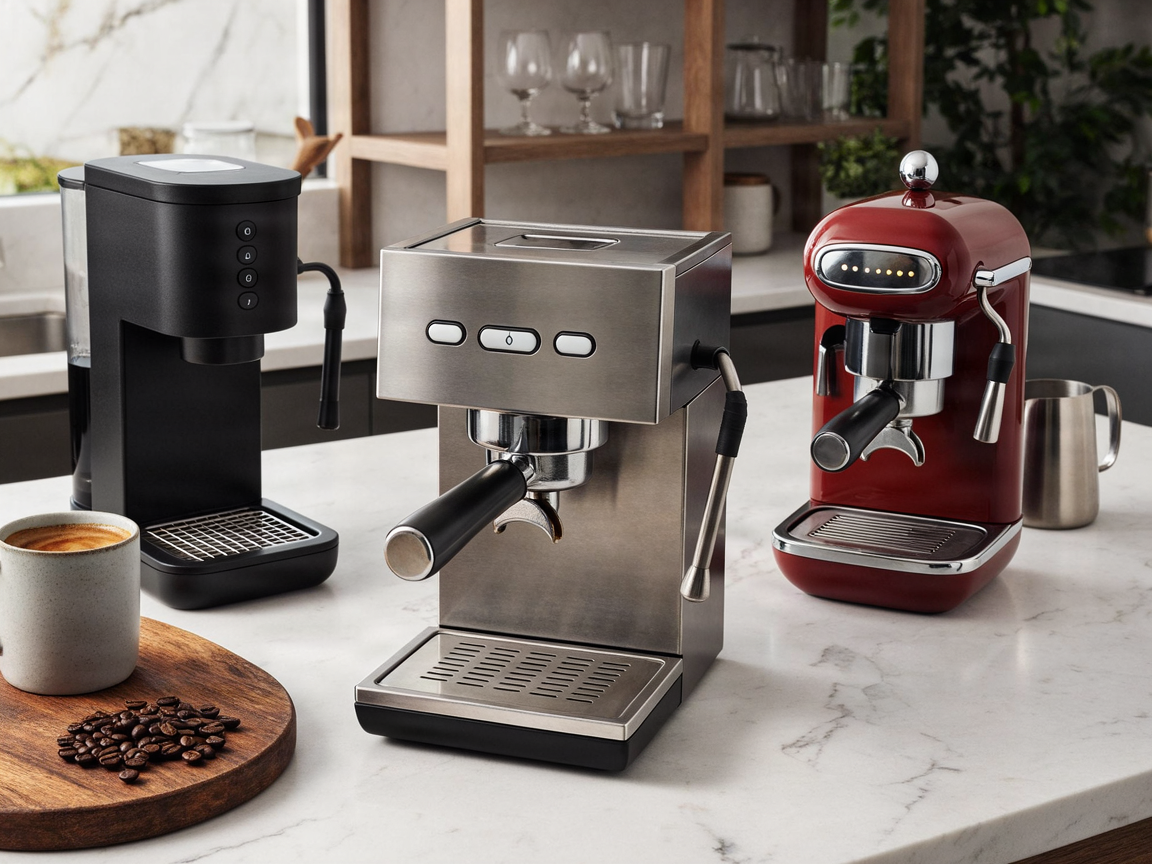
What you get for your money. Under about £150 you’ll find compact machines that make decent espresso with a little care. Between £150 and £500 there are machines with better temperature control, stronger steam and, often, built-in grinders. Above £500 you’re paying for PID control, 58mm portafilters, heavier build and dual boilers.
Not sure whether espresso or bean-to-cup suits you? Read our guide, How to Choose a Coffee Machine.