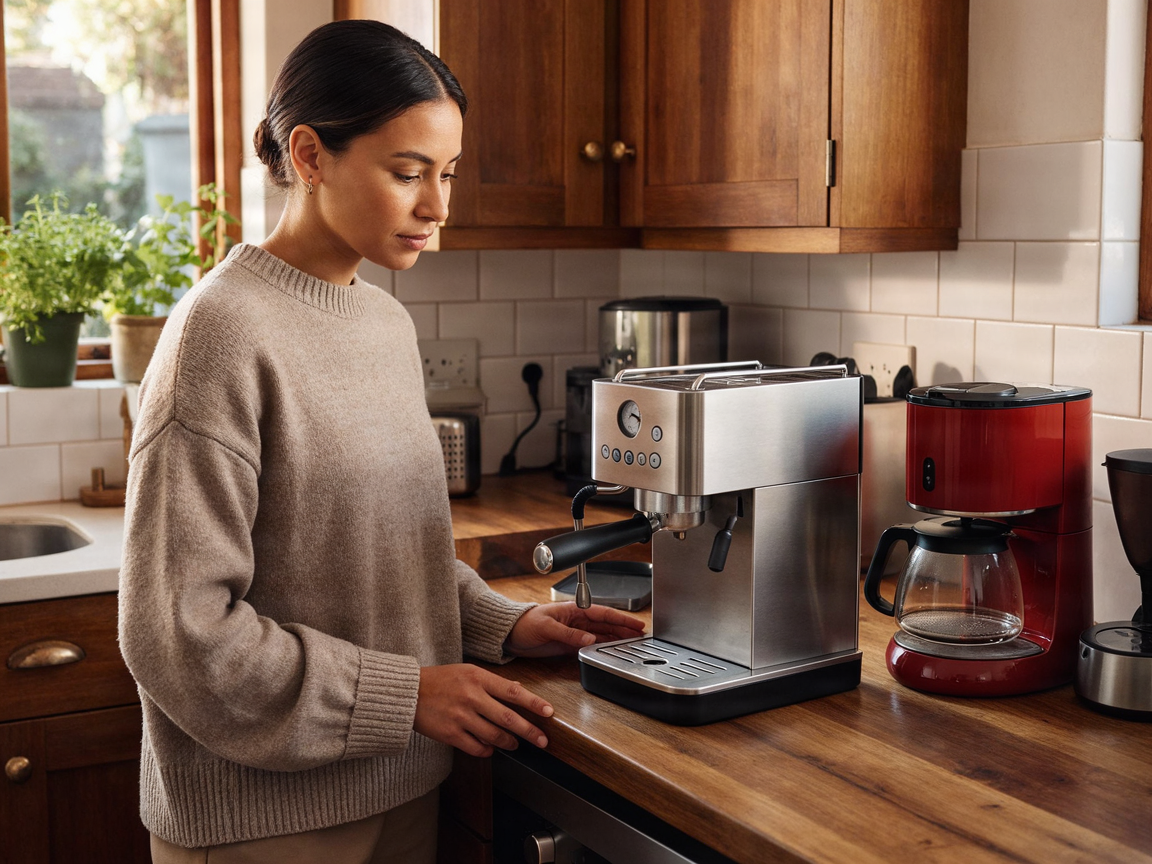
“Coffee machine” can mean anything from a £15 stovetop pot to a £1,000 bean-to-cup machine. The right one depends less on budget than on what you like to drink, how much effort you want to put in, and how many people you’re making coffee for. This guide compares the main types and links to our round-ups for each.
Start with what you drink
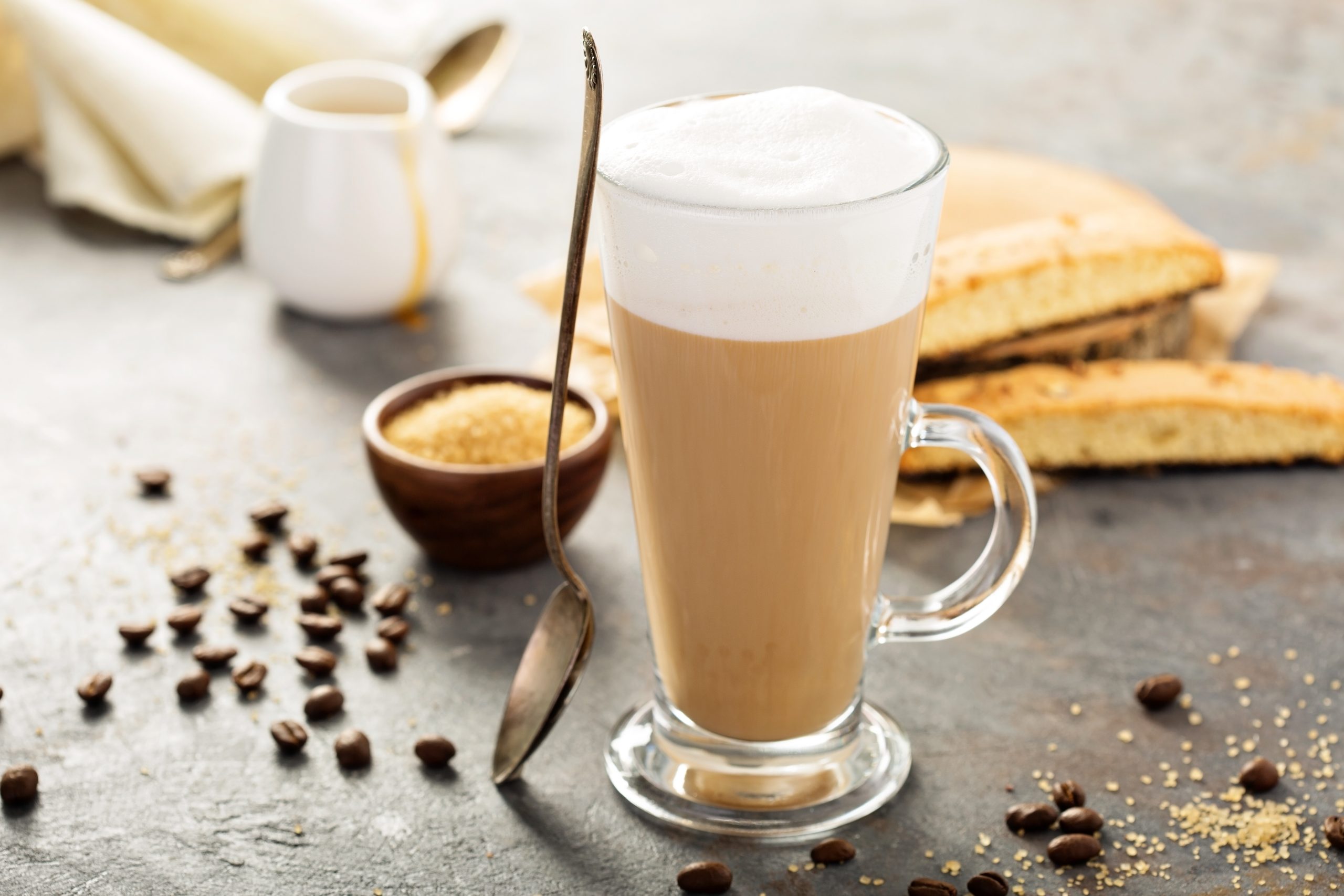
- Lattes, cappuccinos and flat whites: you need espresso and frothed milk. Choose an espresso machine with a steam wand, a bean-to-cup machine, or a pod machine with a frother.
- A quick, no-fuss coffee: a pod machine. Nothing to measure, nothing to clean.
- Big mugs of strong black coffee: a cafetière, percolator or filter machine.
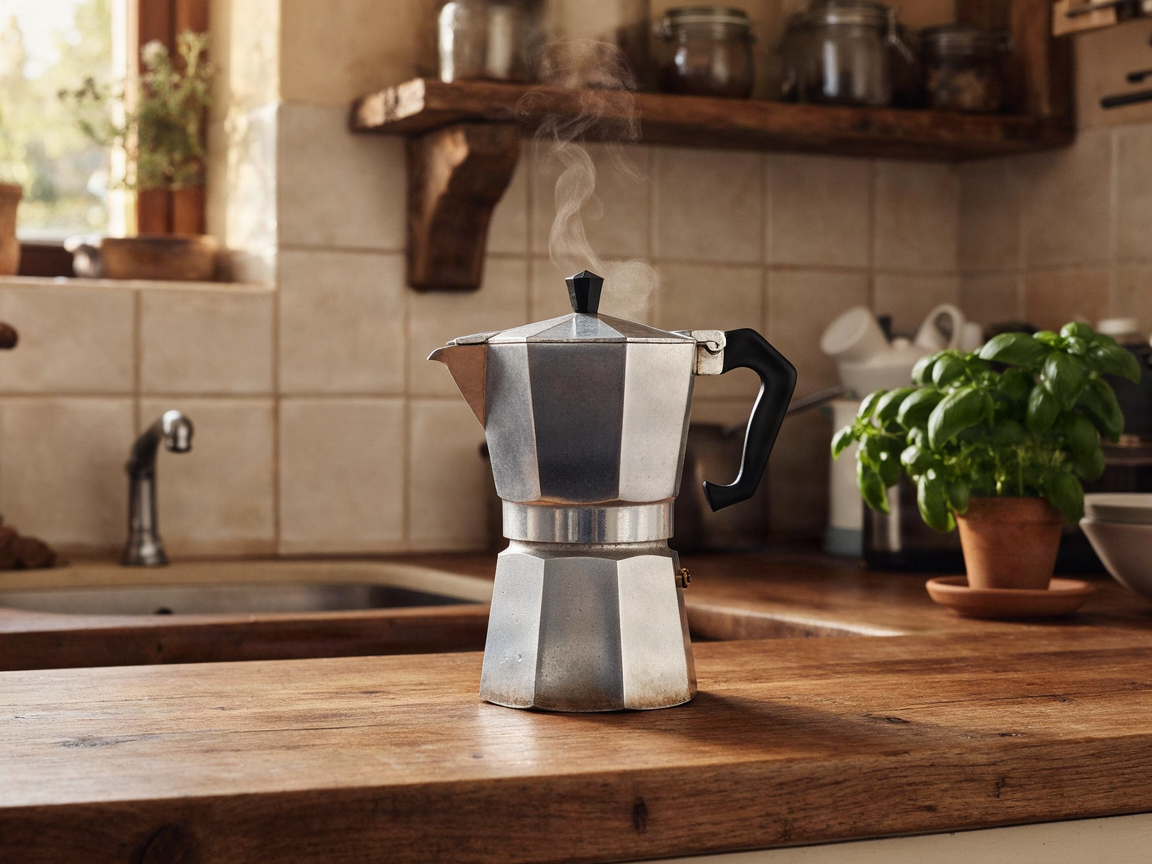
- Strong, espresso-style coffee without the expense: a moka pot or electric moka machine.
- Coffee on the go: a portable pod machine.
The main types compared
| Type | Best for | Effort | Typical cost | Running cost | Our round-ups |
|---|---|---|---|---|---|
| Manual espresso (“barista”) | Milky coffees, control | Medium to high | £100–£500+ | Low (beans) | Espresso machines |
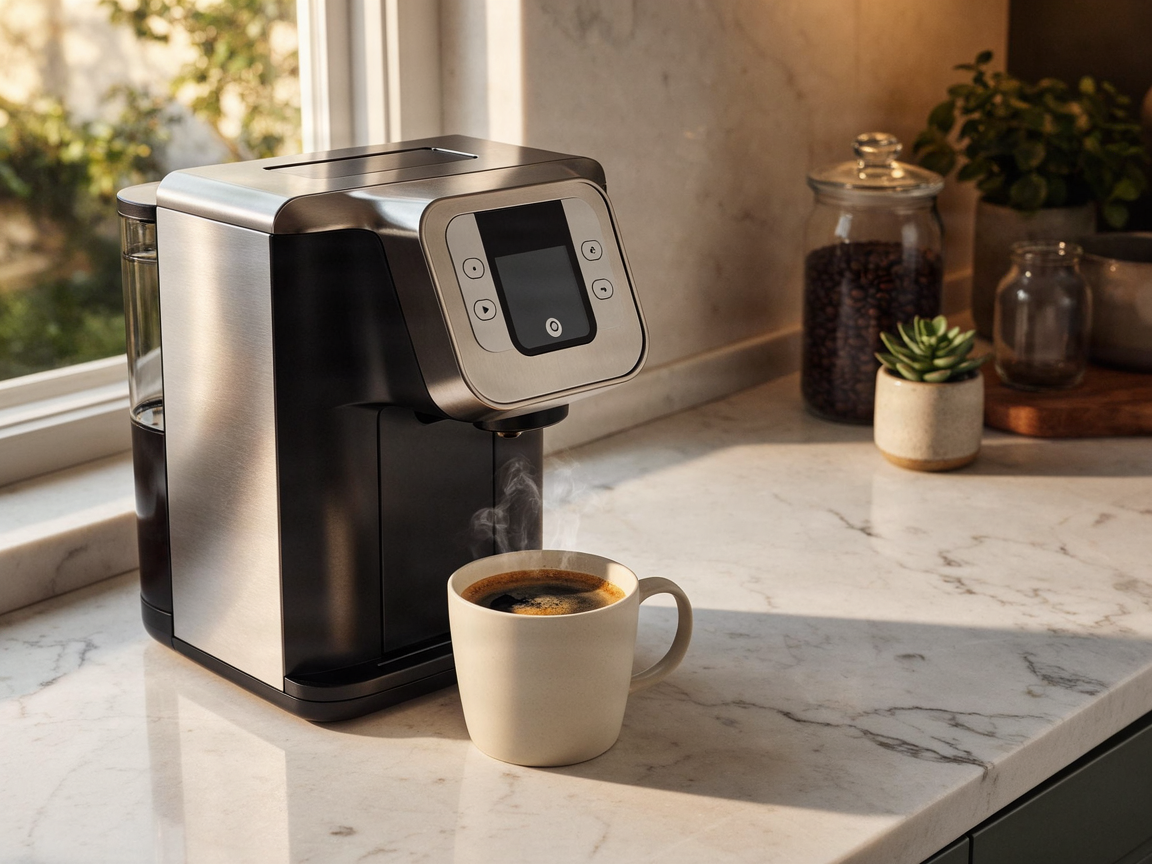
| Bean-to-cup | Convenience with fresh beans | Low | £250+ | Low (beans) | Espresso machines |
| Pod machine | Speed, no mess | Very low | £25–£130 | High (pods) | Pod machines |
| Portable pod machine | Travel, camping | Low | £30–£150 | High (pods) | Portable machines |
| Electric moka machine | Strong coffee, offices, caravans | Low | £30–£100 | Low | Electric moka |
| Moka pot or stovetop percolator | Strong coffee, large mugs, camping | Low | £10–£80 | Low | Moka pots and percolators |
| Cafetière | Simple, full-bodied coffee | Low | £10–£50 | Low | Cafetières |
Espresso machines: manual or bean-to-cup?
Manual pump machines give you the most control and the best value. You grind, tamp and pull each shot, then steam milk with a wand. Good ones start under £200, but expect a learning curve, and budget for a burr grinder too.
Bean-to-cup machines grind, tamp and brew automatically, and many froth milk at the touch of a button. They cost more upfront but make consistent coffee with almost no skill. Some, like the Sage Barista Pro, sit in between, with a built-in grinder but manual milk steaming.
Pod machines: check the pods first
The machine is cheap; the pods are the ongoing cost. Nespresso Original machines accept a wide range of cheaper compatible pods, while Vertuo, Tassimo and Dolce Gusto are more restricted. Read our pod compatibility guide before you choose a system.
Cost per cup: a rough guide
Using beans, a cup of espresso-based coffee usually costs well under 50p, even with good-quality coffee. Branded pods typically cost more per cup, though compatible pods can narrow the gap. Over a year, a pricier machine that uses beans can work out cheaper than a budget pod machine if you drink several cups a day.
Things to check before you buy
- Space: measure your worktop, including the height under wall cupboards.
- Water tank: a bigger tank means less refilling; a removable one is easier to fill.
- Milk: steam wand, automatic frother, or neither? A handheld frother is a cheap add-on for machines without one.
- Cleaning: removable drip trays, milk systems that rinse themselves and descaling reminders all help.
- Hob type: for percolators and moka pots, check induction compatibility.
Frequently asked questions
What’s the difference between a barista machine and bean-to-cup?
A barista (manual) machine needs you to grind, tamp and steam milk yourself. A bean-to-cup machine does all of that automatically.
Do I need a grinder with an espresso machine?
Unless it has one built in, yes. Espresso needs a fine, consistent grind, and pre-ground coffee goes stale quickly. See our electric coffee grinders, or read How to Choose a Coffee Grinder.
Are pod machines bad value?
The machines are cheap, but pods cost more per cup than beans. If you drink one or two cups a day and value convenience, they can still make sense.
Is a moka pot the same as espresso?
Not quite. A moka pot makes a strong, concentrated coffee at lower pressure than an espresso machine, without the crema, but it’s a great, inexpensive alternative.
How often should I descale my machine?
Typically every one to three months, depending on how hard your water is and how much you use it. Follow the manufacturer’s guidance.
Not sure which to pick? Tell us how you brew and roughly what you’d like to spend, and we’ll point you in the right direction. Ask us a question. We’re happy to help.
Brewing tip: water that’s too hot is the most common cause of bitter tea and coffee. See our brewing temperature guide for the right temperature for every hot drink.
You can also read how buying through The Daily Brew works.
You might also like

Leave a Reply