

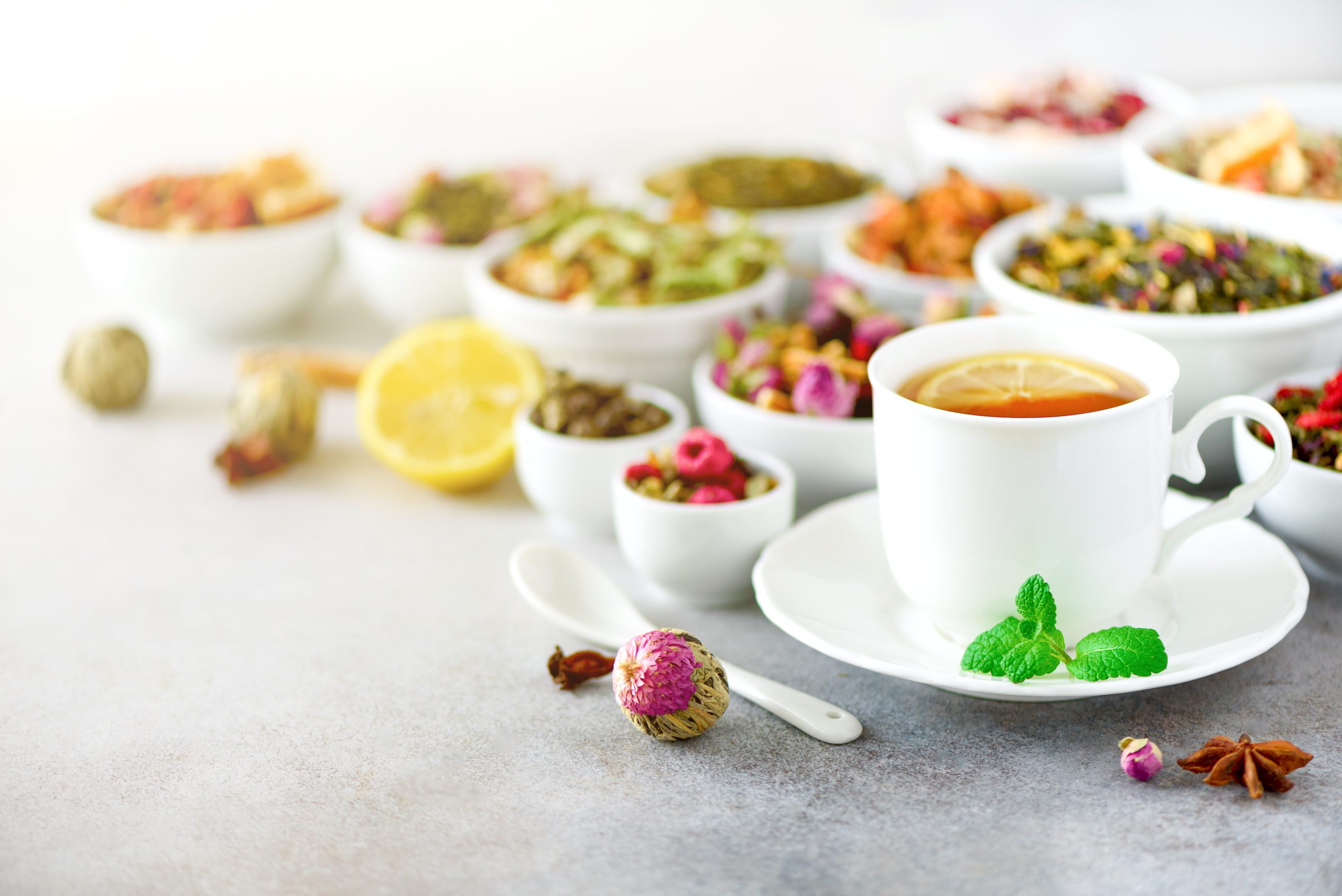
Most disappointing cups of tea come down to just two things: water that’s too hot, or tea that’s left too long (or not long enough). Get those right and even an everyday tea tastes noticeably better. This guide covers the few bits of kit that make it easy, and gives you the right water temperature and steeping time for every tea and aromatic infusion, all in one place.
The Daily Brew is reader-supported. As an Amazon Associate we earn from qualifying purchases, at no extra cost to you. It never changes what we recommend. Prices change often on Amazon, sometimes several times a day. We keep the prices on this page as up to date as we can, but the price on Amazon may differ from the one shown here. The price on Amazon at checkout is the one you pay, and if you’re lucky, it may be lower!
Why temperature and time matter
- Too hot scorches delicate leaves such as green, white and jasmine tea, and pulls out bitter flavours.
- Too long releases more tannins, which make tea taste harsh and dry.
- Too short is the usual problem with herbal infusions. Flowers, roots and herbs need longer than tea leaves to give up their flavour.
As a simple rule: black and herbal teas like freshly boiled water, while green, white and jasmine teas like it cooler.
The starter kit
You don’t need much. These six things will cover almost every tea and infusion you’ll ever make.
1. A kettle you can control
A temperature-controlled kettle is the single most useful upgrade for tea lovers: press a button for 80°C for green tea or 100°C for peppermint, and it’s right every time. Many also keep the water warm for a second cup. A gooseneck kettle adds a slow, precise pour, which is lovely for small teapots. Any ordinary kettle works too, with the cooling tricks below.
2. A teapot or an infuser
Loose leaf tea needs room to unfurl. A teapot with a built-in infuser is perfect for two or more cups, and lets you lift the leaves out when the time is up. For one mug, a roomy basket tea infuser works better than a small tea ball, because the leaves can expand properly.
3. A fine strainer
If you brew leaves loose in the pot, a tea strainer catches the bits as you pour. A fine mesh is best for small leaves, rooibos and crushed herbs.
4. A timer
Your phone is fine. Guessing is the main reason tea ends up bitter or weak, and a minute makes a real difference to green tea.
5. A teaspoon for measuring
As a starting point, use one heaped teaspoon (about 2–3g) of loose tea per 250ml cup. Light, bulky herbs and flowers such as chamomile, lemon balm and lavender need more by volume: about a tablespoon per cup. One tea bag is roughly one cup.
6. Airtight storage
Air, light, heat and strong smells are what make tea go stale. Keep loose tea in airtight, opaque caddies or tins in a cool cupboard, away from the cooker and away from spices and coffee.
No temperature-controlled kettle? Try these tricks
- Wait: after the kettle boils, leave the lid open. Roughly 2 minutes takes it to around 90°C, 4–5 minutes to around 80°C, and 7–8 minutes to around 70°C. Times vary with how full the kettle is and the room temperature.
- Add cold water: one part cold water to four parts just-boiled water gives you roughly 80°C straight away. Pour the cold water in first.
- Pour into a jug first: pouring boiled water into a cold jug or a cup knocks off about 10°C.
Water temperatures and steep times: tea
| Tea | Water | Steep time | Tip |
|---|---|---|---|
| Black tea (English breakfast, Assam) | 95–100°C | 3–5 minutes | Freshly boiled water; add milk after brewing |
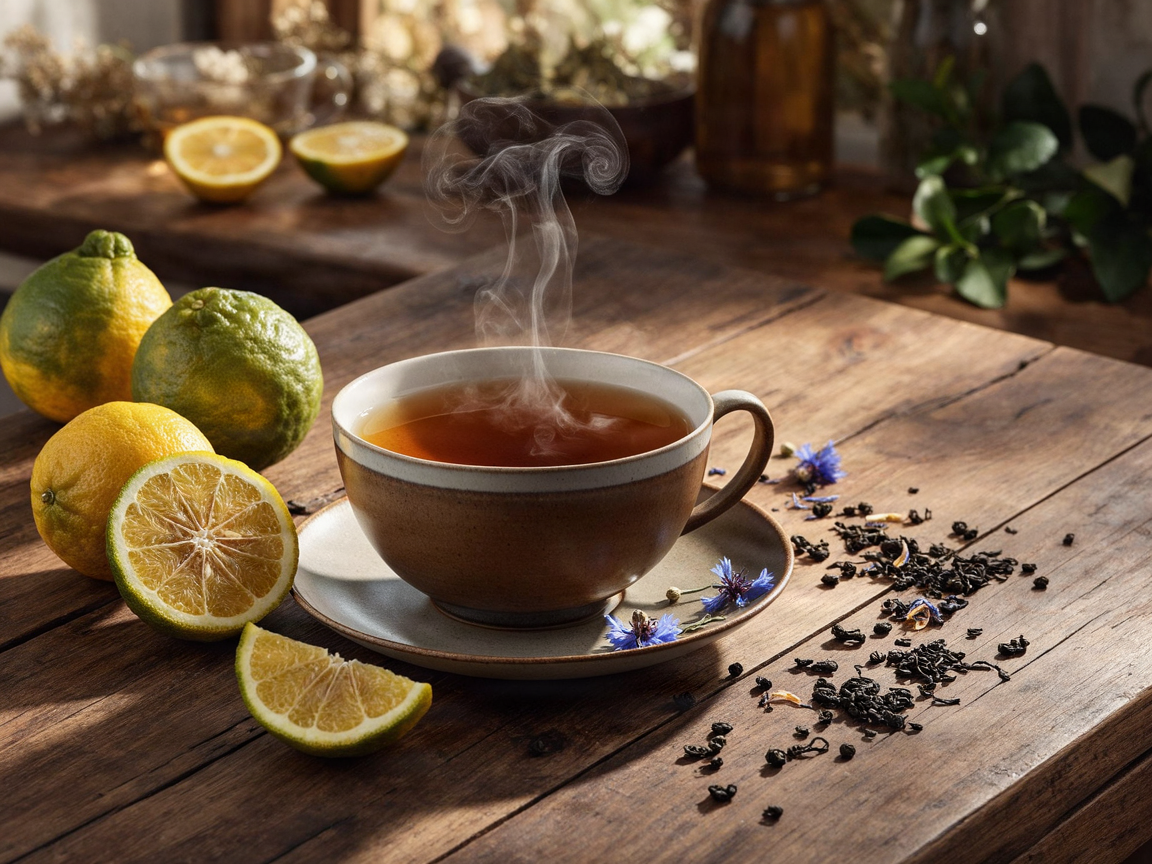
| Earl Grey | 95–100°C | 3–4 minutes | Over 5 minutes, the bergamot can turn bitter |
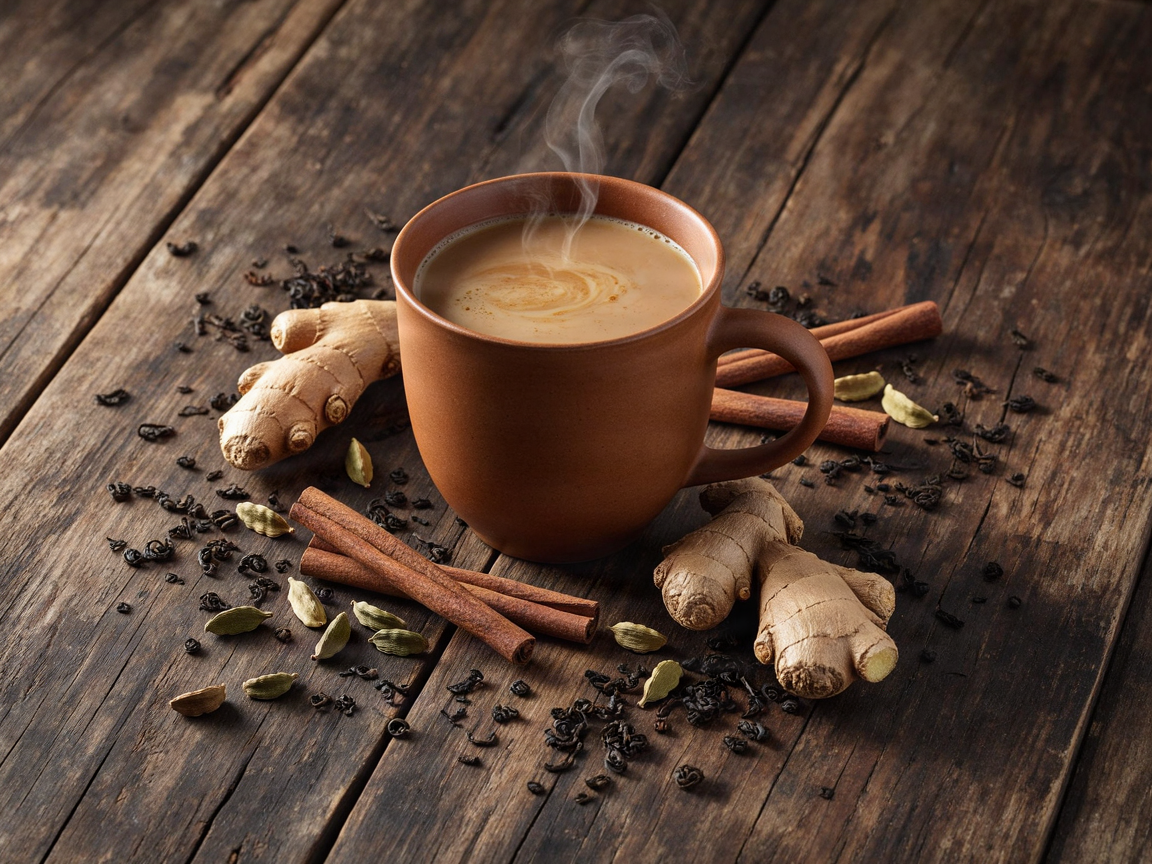
| Masala chai | 100°C | 4–5 minutes | For a proper chai, simmer the tea and spices in milk and water |
| Oolong | 85–95°C | 3–5 minutes | Good oolong can be re-steeped several times |
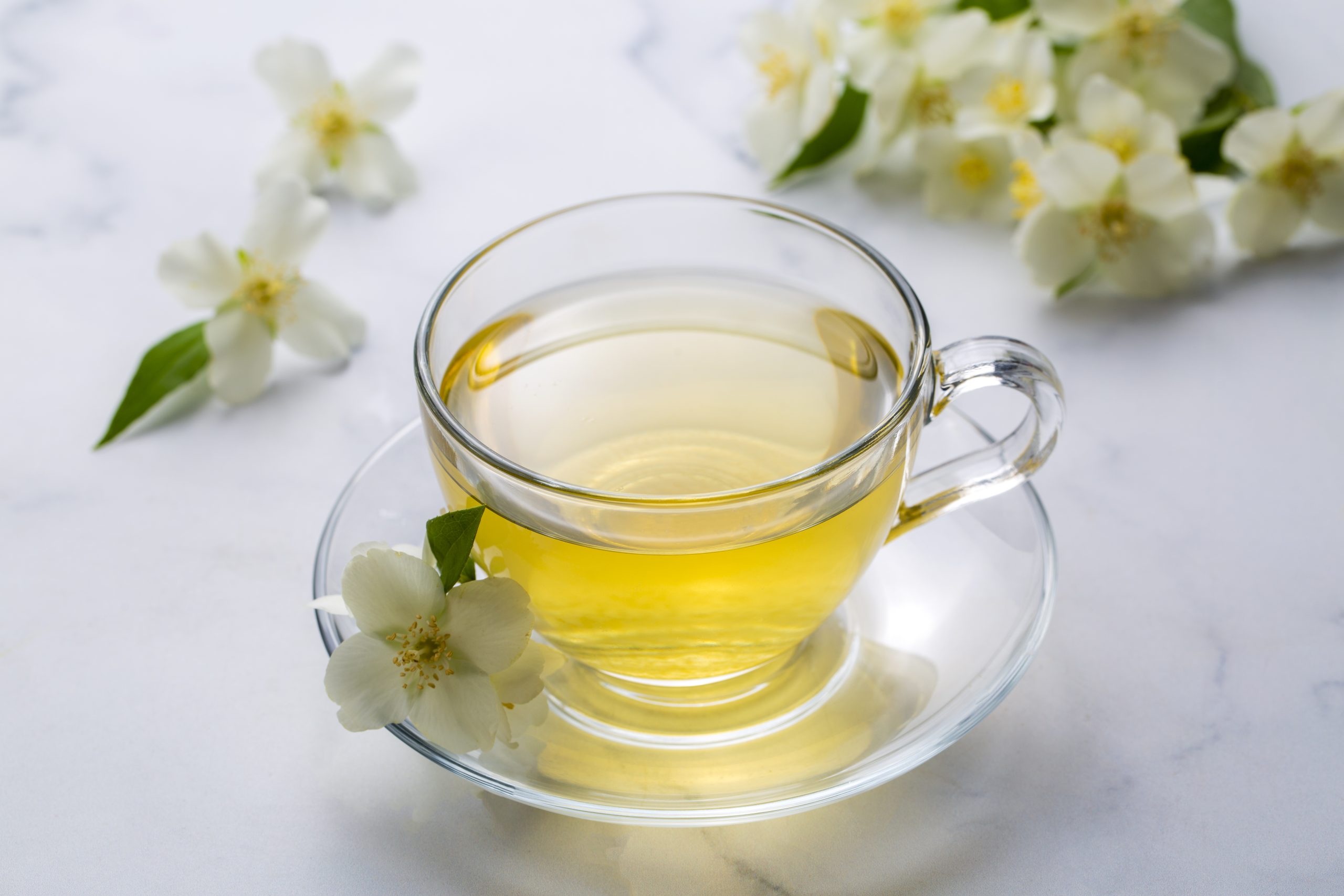
| Jasmine | 75–80°C | 2–3 minutes | Usually a green tea base, so treat it like green tea |
| Green tea | 70–80°C | 2–3 minutes | Boiling water is the most common cause of bitter green tea |
| White tea | 70–80°C | 3–5 minutes | Delicate and sweet; give it a little longer than green |
| Matcha | 70–80°C | Whisk for 15–30 seconds | Sift first; never use boiling water |
Water temperatures and steep times: aromatics and herbal infusions
Herbal infusions aren’t made from the tea plant, so they don’t turn bitter the same way. Most need freshly boiled water and a longer steep, and it’s worth covering the cup so the aromatic oils stay in your drink rather than escaping with the steam.
| Infusion | Water | Steep time | Tip |
|---|---|---|---|
| Peppermint | 100°C | 5–7 minutes | Cover it to keep the menthol in; lovely iced too |
| Chamomile | 95–100°C | 5 minutes | Whole flowers give a sweeter cup than broken pieces |
| Lavender | 95–100°C | 4–5 minutes | Go easy; too much or too long can taste soapy |
| Lemon balm | 95–100°C | 5–10 minutes | Gentle; a longer steep makes it stronger, not bitter |
| Ginger | 100°C | 5–10 minutes | The longer it steeps, the more heat it has |
| Hibiscus | 100°C | 5–7 minutes | Very tart and ruby red; brilliant over ice |
| Rooibos | 100°C | 5–7 minutes | Won’t turn bitter, so you can leave it in |
| Fruit infusions | 100°C | 5–8 minutes | Always use freshly boiled water and steep for the full time |
Want to know what each one is good for? Our guide to aromatic teas and their benefits explains them all. And for coffee and hot chocolate temperatures too, see the full Brewing Temperature Guide.
Loose leaf or tea bags?
Both use the same temperatures. Tea bags usually hold smaller pieces, which brew faster, so stay at the shorter end of the steeping time. Loose leaf tea has more room to unfurl and often has more flavour, and good loose green, white and oolong teas can be steeped two or three times. Add 30 seconds to a minute for each extra steep.
Iced and cold-brewed
- Flash-chilled: brew at double strength with the normal temperature and time, then pour over a glass full of ice. Ideal for hibiscus, peppermint and rooibos.
- Cold brew: add tea or herbs to cold water in a jug and leave it in the fridge for 6–12 hours, then strain. It’s naturally smooth and sweet, and especially good with green tea, jasmine and fruit infusions.
Quick fixes
| If your tea is… | Try this |
|---|---|
| Bitter | Cooler water (for green, white and jasmine) or a shorter steep (for black tea) |
| Weak | Use more tea rather than steeping for longer, especially with black tea |
| Flat or dull | Use fresh water each time; reboiled water tastes flat |
| Soapy (lavender) | Use less lavender, or blend it with black tea or chamomile |
| Cloudy when cold | Harmless; it’s natural compounds in the tea. Cold brewing avoids it |
Ready to explore? Try a cosy cup of hōjicha, a matcha latte, or read The History of Tea.
You might also like
Leave a Reply