

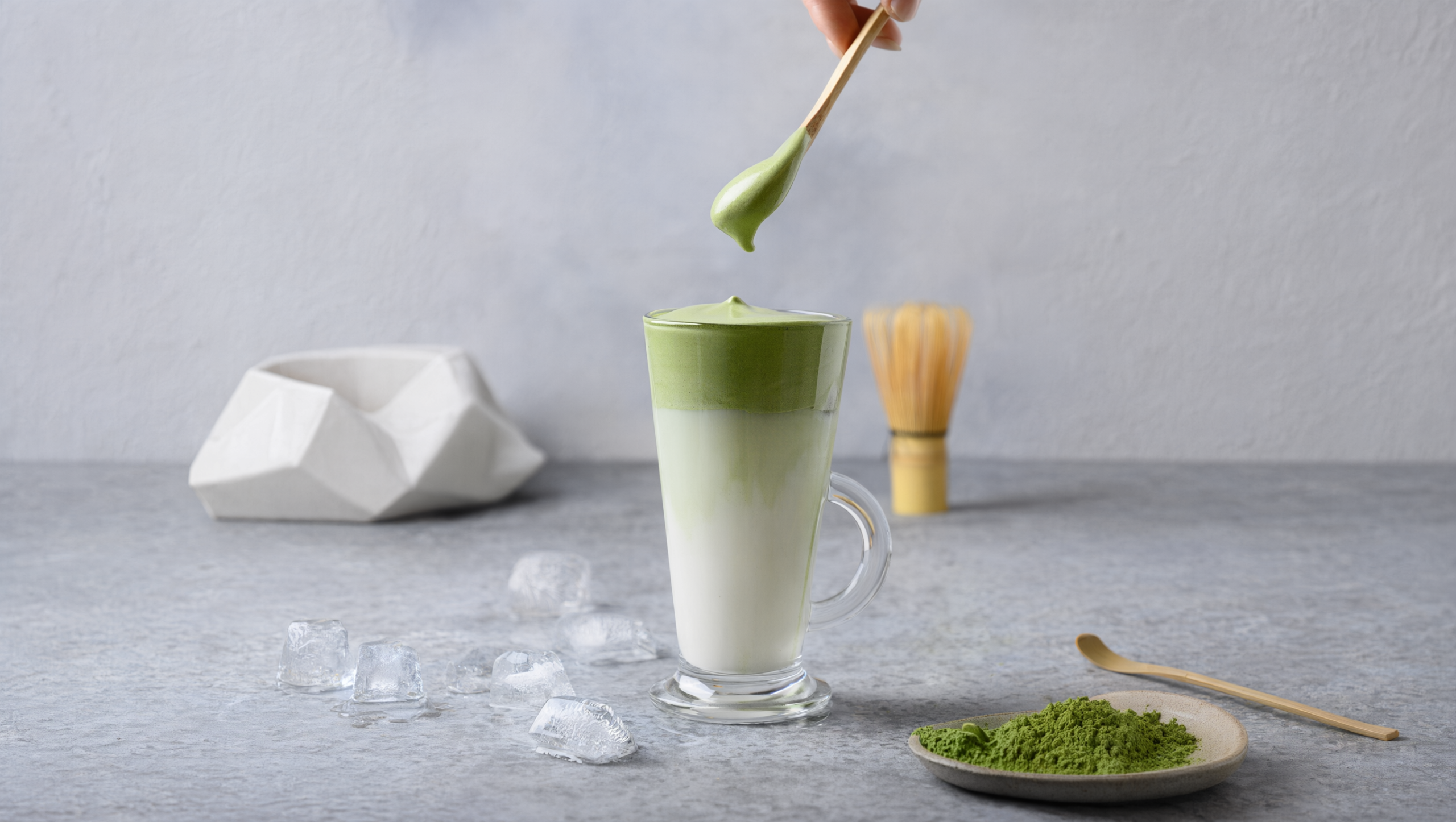
A matcha latte is simply matcha green tea whisked with a little hot water, then topped up with warm, frothy milk. Made well, it’s smooth, gently sweet and a beautiful bright green. Made badly, it’s lumpy, bitter and a murky colour. The difference comes down to three things: the right matcha, water that isn’t too hot, and a good froth. Here’s how to get all three right at home, hot or iced.
New to matcha? Our guide to Matcha vs Green Tea explains what it is, how the grades differ and how much caffeine it has.
Which matcha should you use?
For lattes, a good culinary or “latte” grade matcha is ideal. It has a stronger, slightly more robust flavour that stands up to milk, and it costs much less than ceremonial grade. If you also like drinking matcha with just water, a ceremonial grade makes an even smoother, sweeter latte. Whichever you buy, look for a bright, vivid green powder. A dull or yellowish colour usually means a lower quality or older matcha that will taste bitter.
What you’ll need
- Something to whisk with: a bamboo matcha whisk (chasen) or a handheld milk frother. A frother is the easiest way to get a smooth, lump-free latte.
- A small fine-mesh sieve: sifting is the single best way to avoid lumps.
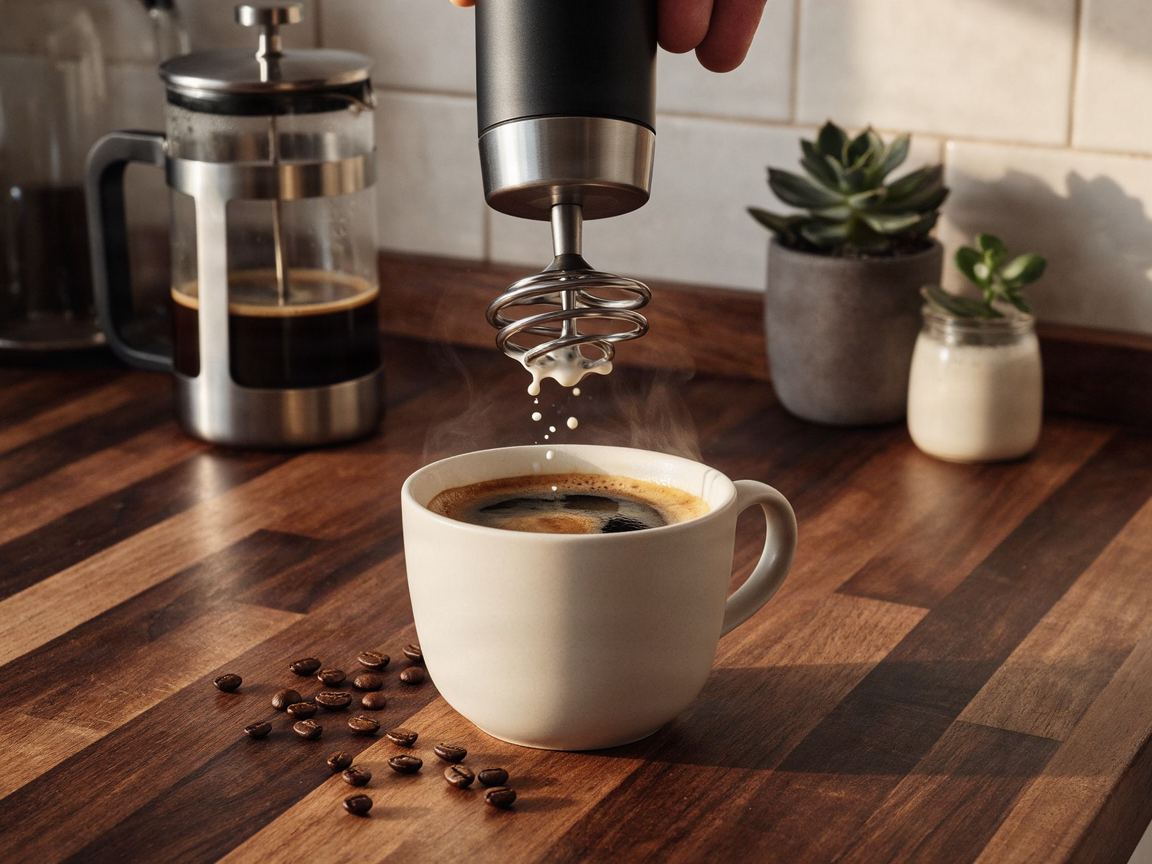
- A way to froth the milk: a handheld frother, an electric milk frother, or a steam wand on an espresso machine.
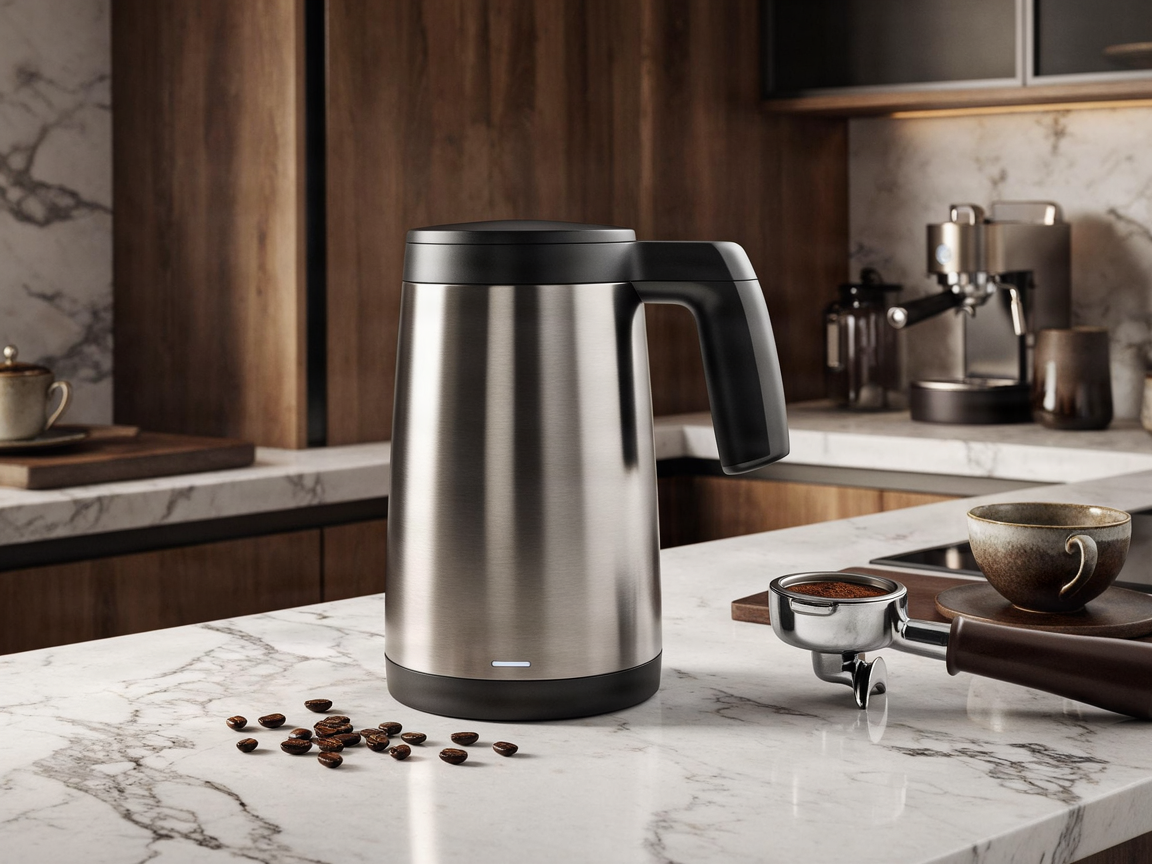
- Optional: a temperature-controlled kettle, so the water is always the right temperature.
Hot matcha latte: ingredients (1 mug)
- 1–1½ teaspoons matcha (about 2–3g)
- 60ml water at 75–80°C, not boiling
- 200ml milk: whole milk for the creamiest latte, or a barista-style oat milk
- Optional sweetener: 1–2 teaspoons honey, maple syrup or vanilla syrup
How to make it
- Heat the water. Boil the kettle and let it stand for 3–4 minutes, or set a temperature-controlled kettle to 80°C. Boiling water scorches matcha and makes it bitter.
- Sift the matcha. Sieve it into a bowl, jug or wide mug.
- Make a paste. Add a splash of the hot water (about 20ml) and mix into a smooth paste. This stops lumps forming.
- Whisk. Add the rest of the water and whisk briskly in a zig-zag “W” motion for 15–20 seconds until frothy, or blitz with a handheld frother for 10 seconds.
- Warm and froth the milk. Heat the milk until hot but not boiling, around 60–65°C, when it’s too hot to keep your finger in comfortably. Froth until light and creamy. Stir in any sweetener now.
- Combine. Pour the matcha into your mug, then pour the milk over it, holding back the foam with a spoon and spooning it on top at the end.
Iced matcha latte
Perfect in summer, and it looks stunning in a glass with the green and white layers.
- Sift 1½ teaspoons of matcha into a jug and whisk with 30ml of warm water (around 75°C) into a smooth paste, then add 30ml of cold water and whisk again.
- Fill a tall glass with ice and pour in 200ml of cold milk, plus any sweetener.
- Slowly pour the matcha over the top for the layered look, then stir before drinking.
Tip: a handheld frother whisks matcha into cold water far more easily than a bamboo whisk.
Which milk works best?
| Milk | Taste and texture |
|---|---|
| Whole milk | Creamy and naturally sweet, with a rich, velvety foam. The classic choice. |
| Semi-skimmed | Lighter, with plenty of foam but a thinner body. |
| Barista oat milk | The best plant milk for lattes: creamy, froths well and its gentle sweetness suits matcha. |
| Almond or soya | Lighter and nuttier. Choose a barista version for better foam. |
| Coconut | Sweet and tropical. Lovely iced, but it can overpower the matcha. |
Common mistakes to avoid
- Using boiling water. It burns the delicate leaves and makes the latte bitter. Aim for 75–80°C. See our Brewing Temperature Guide.
- Skipping the sieve. Matcha clumps easily, and those lumps won’t whisk out later.
- Overheating the milk. Above about 70°C milk loses its natural sweetness and won’t froth as well.
- Too little matcha. Milk softens the flavour a lot. If it tastes weak, use a little more matcha rather than less milk.
- Storing matcha badly. Once opened, keep it sealed in the fridge and use it within a couple of months. Air, light and warmth turn it dull and bitter.
Easy variations
- Vanilla matcha latte: add a few drops of vanilla extract or a teaspoon of vanilla syrup.
- Honey matcha latte: stir a teaspoon of honey into the warm milk before frothing.
- Strawberry matcha (iced): spoon a little crushed strawberry or strawberry purée into the bottom of the glass before the ice.
- Dirty matcha: add a shot of espresso on top for an extra caffeine kick.
- Hōjicha latte: for a cosy, toasty, low-caffeine evening alternative, try our hōjicha guide.
Frequently asked questions
Can I make it without a whisk?
Yes. A handheld milk frother does a great job, or you can shake the matcha and water hard in a small jar with the lid on until frothy.
How much caffeine is in a matcha latte?
It depends on how much matcha you use, but a typical latte has a little less caffeine than a cup of coffee. Matcha also contains L-theanine, which many people find gives a calmer, steadier lift without the jitters.
Why is my matcha latte bitter?
The usual causes are water that’s too hot, a low-quality or old matcha, or simply too much matcha for your taste. Try cooler water first, then a fresher, brighter green powder.
Want the full story behind your latte? Read The History of Tea, from an emperor’s kettle to the great British cuppa.
You might also like


Leave a Reply