

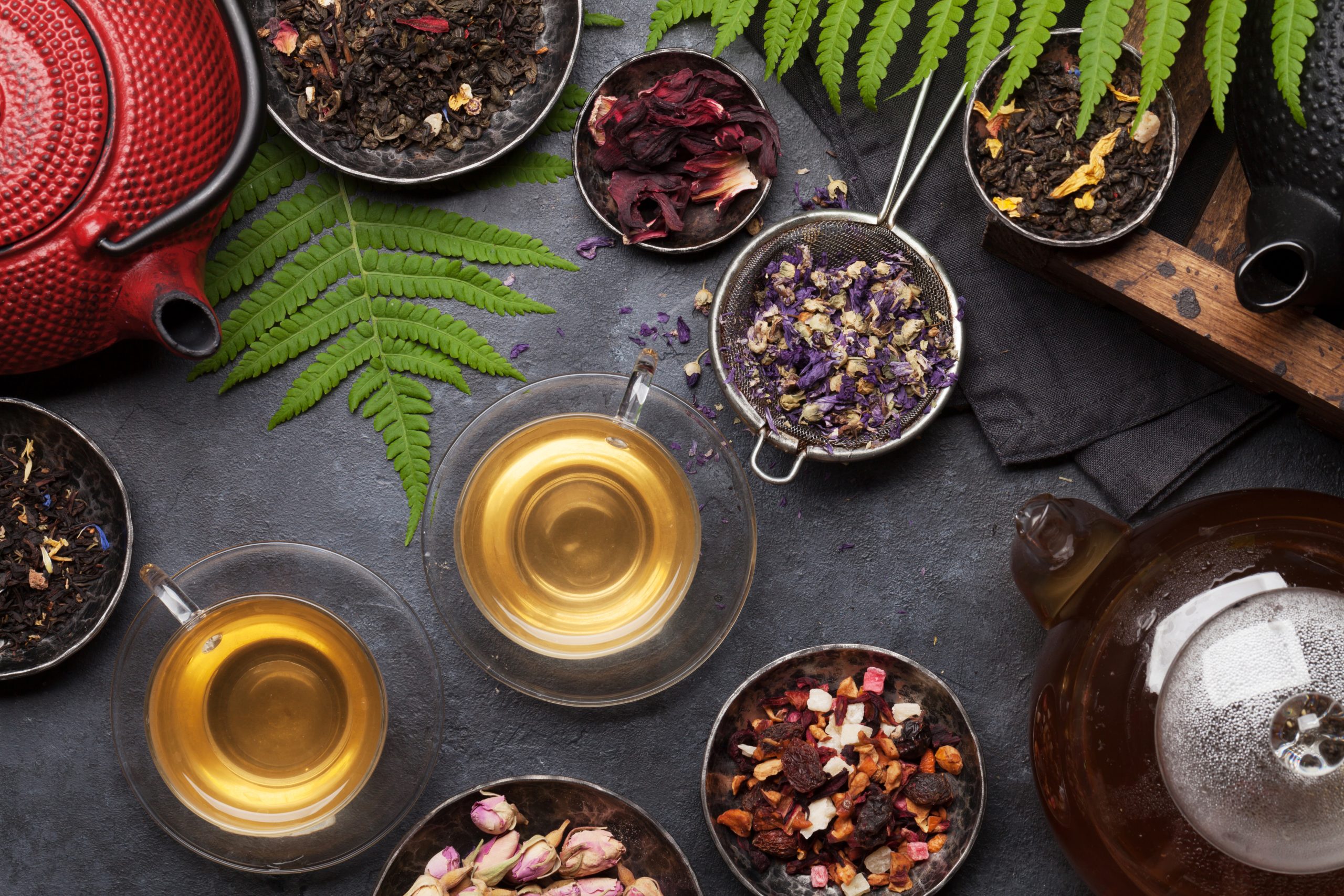
Some teas you notice before you even take a sip. Open a tin of peppermint, jasmine or chai and the smell fills the kitchen. That fragrance comes from natural oils in the leaves, flowers, roots and spices, and it is a big part of why these teas are so pleasant to drink. Many have also been used for generations to help people unwind, settle a heavy stomach or warm up on a cold day.
This guide covers ten of the most popular aromatic teas: what each one tastes like, whether it contains caffeine, and what drinking it may do for you. We’ve kept the benefits honest. Where good research exists we say so, and where a benefit is mostly tradition we say that too.
What makes a tea “aromatic”?
Strictly speaking, “tea” means the leaves of the Camellia sinensis plant: green, black, white and oolong. Aromatic teas come in two kinds:
- Herbal infusions (sometimes called tisanes) are made from herbs, flowers, roots or bark rather than tea leaves. Peppermint, chamomile and rooibos are examples. Most are naturally caffeine-free.
- Scented and spiced teas are real tea leaves given extra fragrance, such as green tea layered with jasmine flowers, or black tea with bergamot oil (Earl Grey) or spices (chai). These do contain caffeine.
At a glance
| Tea | Aroma | Caffeine | Best time | Best known for |
|---|---|---|---|---|
| Peppermint | Cool, fresh, minty | None | After meals | Settling the stomach |
| Chamomile | Soft, apple-like, floral | None | Evening | Winding down before bed |
| Ginger | Warm, spicy, zesty | None | Any time | Easing nausea |
| Lemon balm | Gentle lemon and mint | None | Afternoon or evening | Feeling calmer |
| Lavender | Sweet, floral | None | Evening | A relaxing scent |
| Rooibos | Sweet, nutty, vanilla | None | Any time | A caffeine-free “builder’s” alternative |
| Hibiscus | Tart, fruity, cranberry-like | None | Any time, hot or iced | Blood pressure research |
| Jasmine | Heady, floral | Low to medium | Morning or afternoon | Calm alertness |
| Earl Grey | Citrus, bergamot | Medium | Morning or afternoon | A fragrant pick-me-up |
| Masala chai | Cardamom, cinnamon, clove | Medium | Cold days | A warming treat |
1. Peppermint
Peppermint tea gets its cool, clean taste from menthol, the same compound that makes mint feel cold in your mouth. It is one of the most popular after-dinner drinks in the UK, and for good reason: many people find it helps them feel less bloated after a big meal. Peppermint has long been used for digestion, and research on peppermint oil supports its use for some tummy complaints, although most of that research is on capsules rather than tea.
Worth knowing: peppermint can relax the valve at the top of the stomach, so it may make heartburn or acid reflux worse.
2. Chamomile
Made from small daisy-like flowers, chamomile has a soft, slightly sweet taste with a hint of apple. It is the classic bedtime tea. Chamomile contains a plant compound called apigenin, which is thought to have a mild calming effect, and some small studies suggest it may help people sleep a little better. Even without the science, a warm, caffeine-free drink is a good part of a wind-down routine.
Worth knowing: avoid chamomile if you’re allergic to plants in the daisy family, such as ragweed. It may also interact with blood-thinning medicines such as warfarin.
3. Ginger
Ginger tea is warming and peppery, with a zesty kick. You can buy it in bags or simply steep a few slices of fresh root in hot water. Ginger has some of the best evidence of any herbal remedy: studies show it can help ease feelings of nausea, including travel sickness and morning sickness. Many people also reach for it when they have a cold, because it feels soothing and warming.
Worth knowing: ginger in normal food and drink amounts is considered safe for most people, but check with your midwife or GP before taking it regularly in pregnancy.
4. Lemon balm
Lemon balm is a member of the mint family with a gentle lemony scent. It makes a light, refreshing tea that’s lovely in the afternoon. It has traditionally been used to ease stress and help with sleep, and a few small studies suggest it may help some people feel calmer. It is often blended with chamomile in bedtime teas.
5. Lavender
Lavender tea is sweet and very floral, so a little goes a long way. It is usually blended with other herbs or with black tea rather than drunk on its own. The scent of lavender is widely linked with relaxation, and research on lavender oil suggests it may help with mild anxiety. There’s less research on the tea itself, but it makes a soothing evening cup.
6. Rooibos
Rooibos (say “roy-boss”), or redbush, comes from a shrub that grows only in South Africa. It brews a deep red-brown with a naturally sweet, nutty taste, and it works well with a splash of milk, which makes it a great caffeine-free swap for your usual cup of tea. It is naturally low in tannins, so it doesn’t turn bitter if you leave the bag in, and it is rich in antioxidants such as aspalathin.
7. Hibiscus
Made from the dried flowers of the hibiscus plant, this tea is a striking ruby red with a tart, fruity taste a bit like cranberry. It is delicious hot or iced, and with a little honey. Hibiscus is one of the more researched herbal teas: several studies have found that drinking it regularly may lead to a small drop in blood pressure.
Worth knowing: avoid hibiscus during pregnancy. If you take blood pressure medication, speak to your GP or pharmacist first, as it could add to the effect.
8. Jasmine
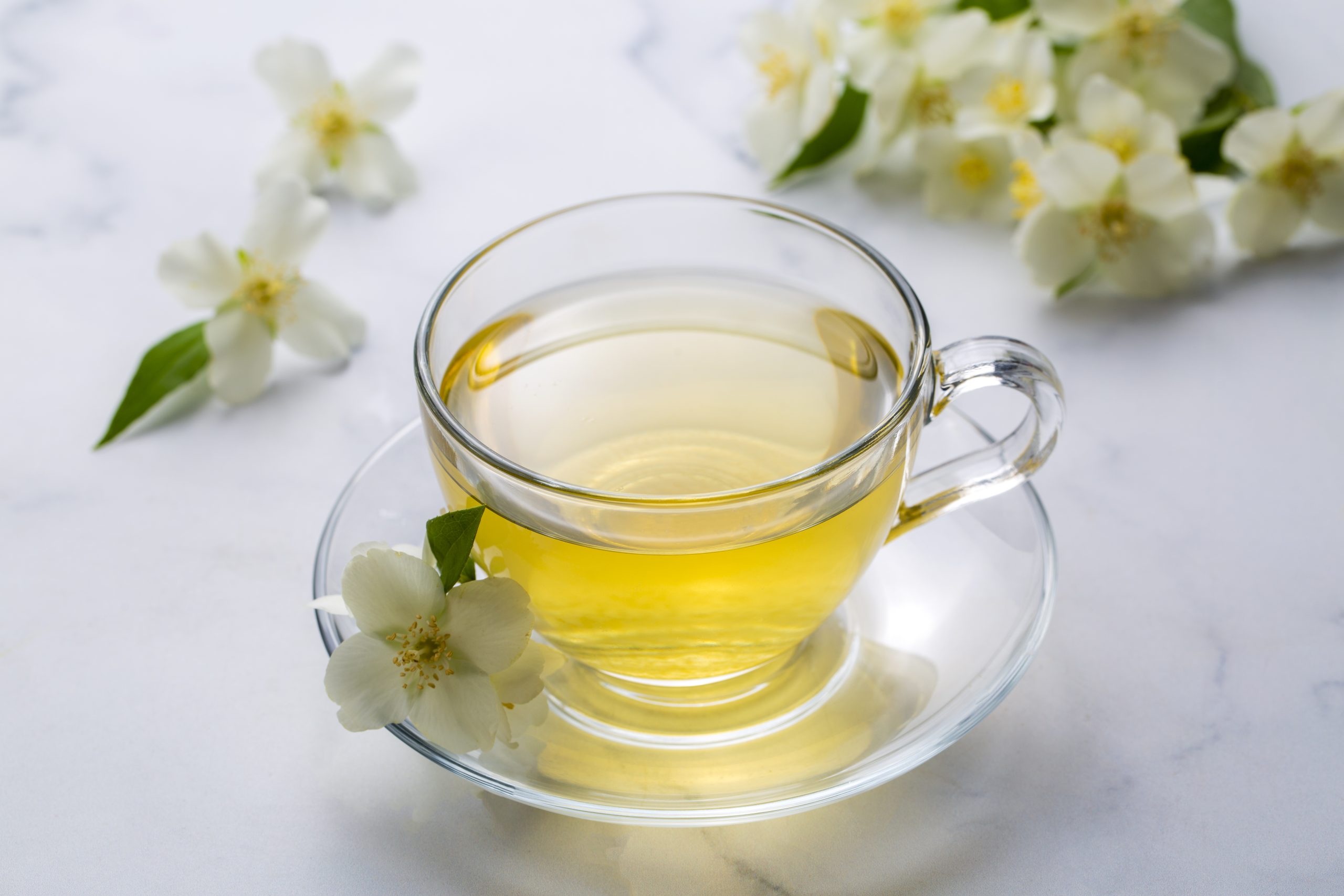
Jasmine tea is usually green tea that has been layered with fresh jasmine blossoms until it soaks up their perfume. The result is delicate, sweet and very fragrant. Because it’s green tea, it contains some caffeine (typically less than coffee) along with L-theanine, an amino acid linked with a feeling of calm focus. Green tea is also a good source of antioxidants called catechins.
Worth knowing: brew it with water just off the boil (around 75–80°C) for two to three minutes. Boiling water makes green tea bitter.
9. Earl Grey
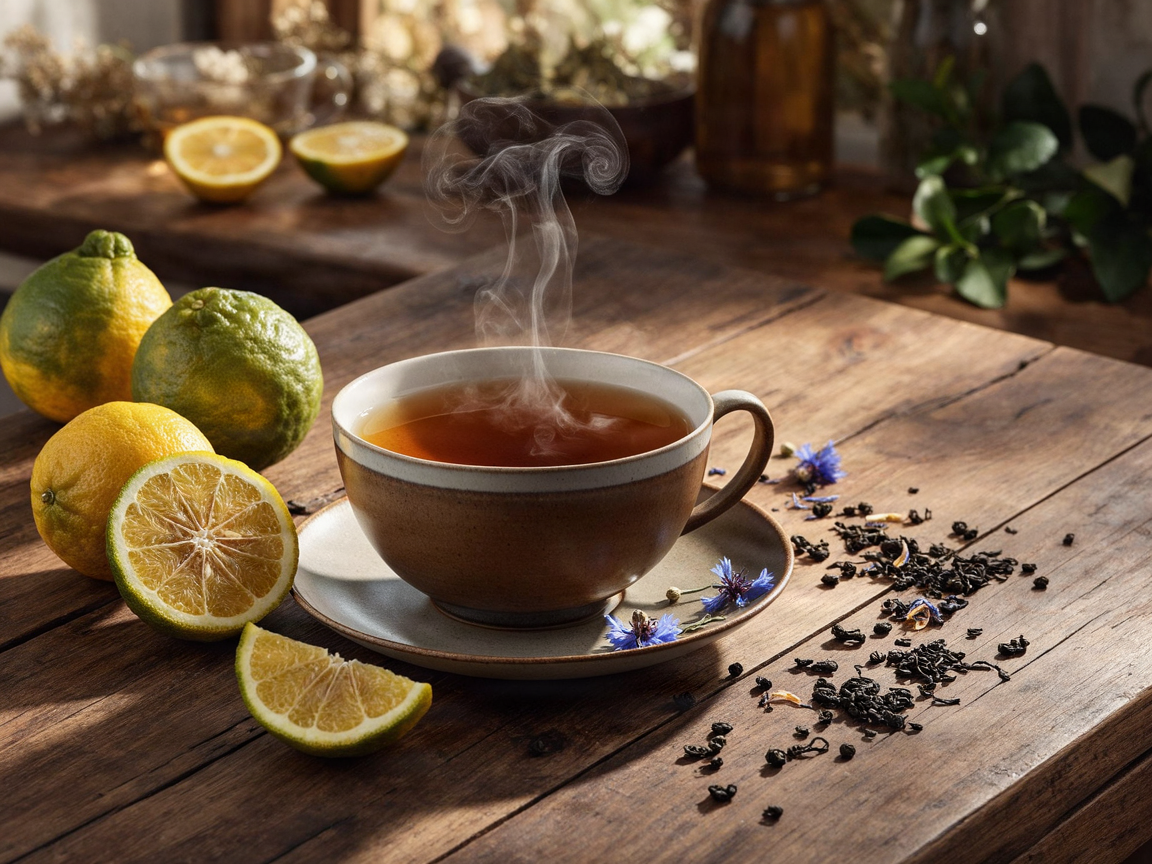
Earl Grey is black tea flavoured with oil from the bergamot orange, which gives it its bright, citrus scent. It’s a British favourite and a more fragrant alternative to a standard breakfast tea. It contains caffeine, so it gives you a gentle lift, and black tea is rich in flavonoids. Studies of regular tea drinkers have linked these with better heart health, although that kind of study can’t prove cause and effect.
10. Masala chai
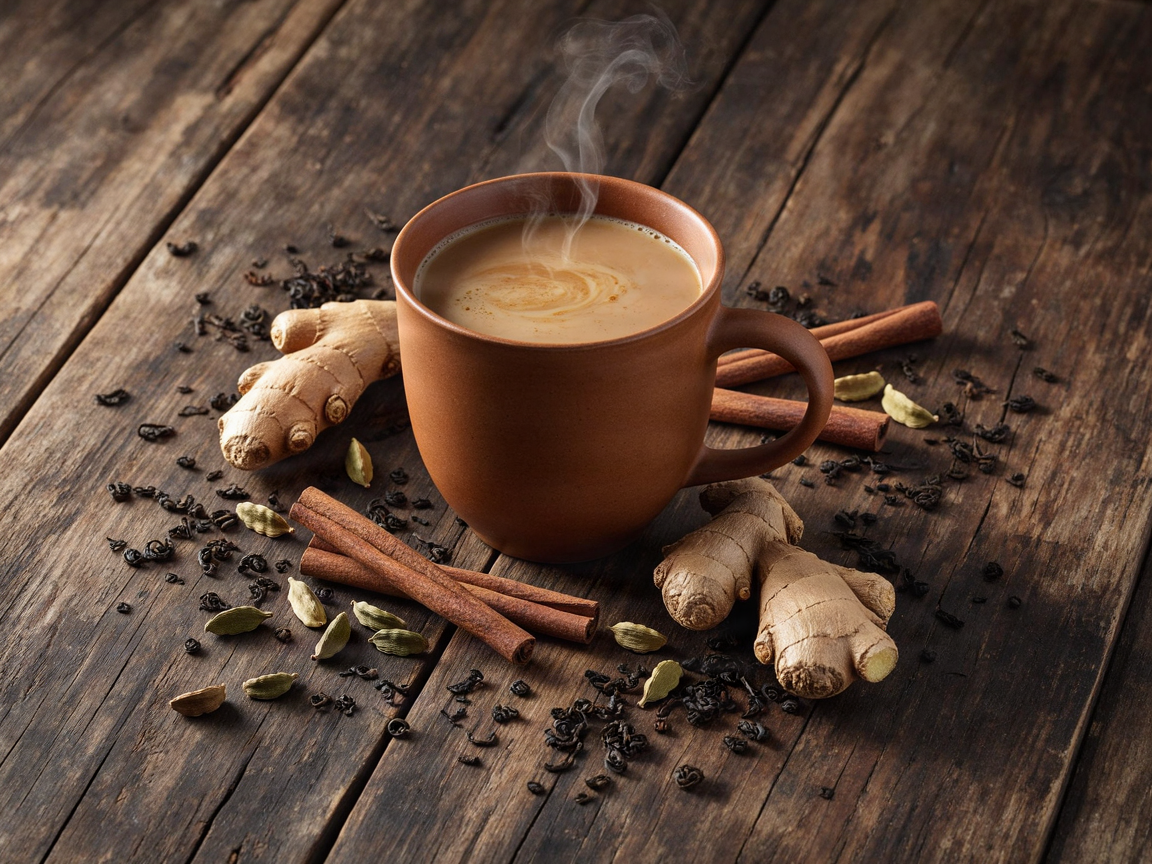
Masala chai is black tea simmered with warming spices, usually cardamom, cinnamon, ginger, cloves and black pepper, then finished with milk. It is rich, comforting and perfect on a cold day. The spices bring their own appeal: ginger may help settle the stomach, and the warming flavours mean many people find they need less sugar than in plain tea.
Worth knowing: ready-made chai lattes from cafés and some instant powders can be very high in sugar. Brewing your own lets you control the sweetness.
How to get the most aroma from your tea
- Cover your cup or pot while it steeps. The fragrant oils escape with the steam, so a saucer on top keeps more of the flavour in your cup.
- Use the right water. Herbal teas and black teas like freshly boiled water. Green and jasmine teas prefer water that has cooled for a few minutes.
- Give herbal teas time. Most need five to seven minutes to release their flavour, much longer than a regular tea bag.
- Try loose leaf. Loose tea and whole flowers usually have more aroma than the fine dust in many bags. A simple infuser or teapot with a filter makes it easy.
- Store it well. Keep tea in an airtight tin away from light, heat and strong smells. Aromatic teas lose their scent faster than most.
A sensible word of caution
Herbal teas are natural, but natural doesn’t always mean suitable for everyone. If you are pregnant or breastfeeding, take regular medication or have a health condition, check with your GP or pharmacist before drinking a lot of any herbal tea. None of these teas is a replacement for medical treatment, and if a symptom doesn’t go away, see a doctor. This guide is for general interest and isn’t medical advice.
So which should you try?
- For a better night’s sleep: chamomile, lemon balm or lavender, or rooibos with milk if you like a proper cuppa.
- After a big meal: peppermint or ginger.
- For a calm afternoon lift: jasmine or Earl Grey.
- On a cold day: masala chai or fresh ginger.
- For something cold and fruity: iced hibiscus with a slice of orange.
The best way to find your favourite is to try a few. A mixed selection box is an inexpensive way to discover which aromas you enjoy most.
You might also like
Leave a Reply