
Every cup of coffee starts as the seed of a cherry. However, the type of plant it came from, where it was grown and how carefully it was picked make an enormous difference to what ends up in your mug, and to what you pay for it. A kilo of supermarket instant and a kilo of competition-grade Geisha are both “coffee”, yet one costs a few pounds and the other can cost more than a laptop.
This guide works up from the beans most of us drink every day to the rarest and most expensive, giving each one a score for taste (out of five) and cost (from £ to £££££), so you can decide where your money is best spent.
First, the two big species
Nearly all the coffee in the world comes from two species of plant. Arabica (Coffea arabica) makes up roughly 60% of global production. It grows at higher altitudes, is fussier to farm and tastes sweeter and more complex. Robusta (Coffea canephora) makes up most of the rest. It’s hardier, cheaper to grow, and carries almost twice the caffeine. A small share comes from a third species, Liberica. Everything else on this list, from Kenyan AA to Jamaica Blue Mountain, is a particular variety or origin of one of these.
At a glance
| Bean | Where you’ll find it | Taste | Cost | Rough UK price |
|---|---|---|---|---|
| Robusta | Instant, budget blends, espresso blends | ★★☆☆☆ | £ | £8–£15/kg |
| Everyday Arabica blends | Supermarket ground and beans, pods | ★★★☆☆ | ££ | £15–£25/kg |
| Liberica and Excelsa | Specialist importers, South-East Asia | ★★★☆☆ | ££–£££ | £30–£50/kg |
| Single-origin speciality Arabica | Independent roasters | ★★★★☆ | £££ | £30–£60/kg |
| Hawaiian Kona | Specialist and online | ★★★★☆ | ££££ | £80–£150/kg |
| Jamaica Blue Mountain | Specialist and online | ★★★★☆ | ££££ | £100–£200/kg |
| Geisha (Gesha) | Top speciality roasters | ★★★★★ | £££££ | £100–£400+/kg |
| Kopi Luwak | Novelty and gift shops | ★★☆☆☆ | £££££ | £300+/kg |
1. Robusta
Taste ★★☆☆☆ · Cost £
If you drink instant coffee, you almost certainly drink Robusta. Grown mainly in Vietnam, Brazil, Indonesia and Uganda, it thrives at low altitude, shrugs off pests and produces heavy crops, which is what keeps it cheap. The flavour is strong, bitter and earthy, with notes of dark chocolate, wood and sometimes a rubbery edge. It has very little of the fruit or acidity you get from Arabica.
Robusta isn’t all bad news, though. It has roughly twice the caffeine of Arabica, and it produces a thick, long-lasting crema, which is why Italian espresso blends often include 10–30% of it. A well-grown “fine Robusta” can be surprisingly pleasant.
Best for: instant, strong espresso blends, and anyone who wants maximum caffeine for minimum spend.
2. Everyday Arabica blends
Taste ★★★☆☆ · Cost ££
This is the coffee most of us buy in the supermarket: bags of ground coffee, whole beans and pods that say “100% Arabica” on the front. They’re usually blends of commodity-grade beans from large producers, with Brazil and Colombia the most common sources. Blending keeps the flavour consistent from one bag to the next, whatever happens to a single harvest.
Expect a smooth, balanced, comforting cup: chocolate, nuts, caramel and gentle acidity. These coffees are often roasted fairly dark to keep them consistent, which also hides some of the bean’s character. “100% Arabica” is a good start, but it’s a statement about the species, not a guarantee of quality.
Best for: daily drinking, milky coffees, and cafetières at the office.
3. Liberica and Excelsa
Taste ★★★☆☆ · Cost ££–£££
Liberica is the oddity of the coffee world. Its beans are large and asymmetrical, and it makes up only a tiny share of global production. It’s grown mostly in the Philippines (where it’s known as Kapeng Barako), Malaysia and parts of West Africa. The flavour divides people: smoky, woody and full-bodied, sometimes with a floral or jackfruit-like aroma. Excelsa, now classed as a variety of Liberica, is the brighter, tarter cousin, with dark fruit flavours.
Neither is especially expensive where it’s grown, but they’re hard to find in the UK, so you’ll pay a specialist-importer premium. Interest is growing, because Liberica copes better with heat and disease than Arabica does, and that matters as the climate warms.
Best for: the curious, and anyone who likes a bold, unusual cup.
4. Single-origin speciality Arabica
Taste ★★★★☆ · Cost £££
This is where coffee gets exciting, and in our view it’s the best value on the list. “Speciality” coffee scores 80 points or more on the Specialty Coffee Association’s 100-point scale, and “single origin” means it comes from one country, region or even a single farm. These beans are usually roasted lighter so you can taste where they came from:
- Ethiopia (Yirgacheffe, Sidamo, Guji): floral, tea-like, with blueberry, jasmine and citrus. Ethiopia is coffee’s birthplace, and its beans are some of the most aromatic you can buy.
- Kenya (AA is the largest bean size grade): bright and juicy, with blackcurrant, grapefruit and tomato-like acidity.
- Colombia: balanced and sweet, with red apple, caramel and a little citrus. A great all-rounder.
- Guatemala and Costa Rica: chocolate, brown sugar and gentle fruit, with a clean finish.
- Sumatra: earthy, herbal and heavy-bodied, with low acidity. Ideal if you like a dark, savoury cup.
A 250g bag from a good independent roaster typically costs £8–£15, so a cup works out at well under £1, and the jump in flavour from a supermarket blend is huge.
Best for: pour-over, AeroPress and filter brewing, and anyone ready to taste the difference.
5. Hawaiian Kona
Taste ★★★★☆ · Cost ££££
Grown on the volcanic slopes of the Big Island of Hawaii, Kona is one of the few coffees grown in the USA, and high labour and land costs push the price up. The cup is smooth, mild and sweet, with milk chocolate, brown sugar and nutty flavours and very little bitterness.
Check the label carefully. “Kona blend” only has to contain 10% Kona beans, with the rest made up of cheaper coffee. If you’re paying for Kona, look for 100% Kona.
Best for: people who like a gentle, easy-drinking cup and want a treat.
6. Jamaica Blue Mountain
Taste ★★★★☆ · Cost ££££
Perhaps the most famous luxury coffee, Blue Mountain is grown in a small, legally protected area of Jamaica’s Blue Mountains, in cool, misty conditions that slow the beans’ ripening. It’s prized for being exceptionally clean, smooth and balanced, with mild acidity, a sweet floral aroma and no harsh bitterness. Much of the crop has traditionally been exported to Japan, which keeps supply tight elsewhere and prices high.
It’s a lovely coffee, but some would say you’re paying partly for the name. A good speciality Colombian or Guatemalan at a third of the price can come close. As with Kona, avoid “Blue Mountain style” or “blend” coffees if you want the real thing.
Best for: special occasions and gifts for a coffee lover.
7. Geisha (Gesha)
Taste ★★★★★ · Cost £££££
If one coffee deserves its price tag, it’s Geisha. The variety originally came from the Gesha forests of south-west Ethiopia. It shot to fame in the early 2000s when Hacienda La Esmeralda in Panama entered it into competition and stunned the judges. Since then, top Panamanian Geisha lots have broken auction records again and again, selling for thousands of dollars a kilo.
The flavour is unlike anything else: intensely floral, with jasmine, bergamot, peach, tropical fruit and honey, in a cup so light and delicate it drinks almost like tea. You don’t need auction coffee to try it. Many UK speciality roasters sell Geisha from Panama, Colombia or Ethiopia from around £20–£40 for a small bag.
Best for: brewing black, by hand, when you have time to savour it. Never add milk.
8. Kopi Luwak, and why we don’t recommend it
Taste ★★☆☆☆ · Cost £££££
Kopi Luwak is often called the world’s most expensive coffee. It’s made from coffee cherries eaten and passed by the Asian palm civet, mostly in Indonesia. The story is that digestion mellows the beans. In practice, most tasters find it flat and earthy, and nowhere near as good as a well-made speciality coffee at a fraction of the price.
There’s a more serious problem. Much of today’s Kopi Luwak comes from civets kept in small cages and force-fed coffee cherries, a practice animal welfare groups have widely condemned. Fakes are also common. We’d suggest spending the money on a bag of Geisha instead: it tastes far better, and no animals suffer for it.
So which should you buy?
- On a budget: a decent supermarket Arabica blend, bought as whole beans and ground fresh, beats pre-ground every time.
- Best value for flavour: single-origin speciality Arabica from an independent roaster. This is the sweet spot.
- For a strong espresso kick: a blend with some Robusta for body and crema.
- For a treat or a gift: a small bag of Geisha gives you more for the money than Blue Mountain or Kona.
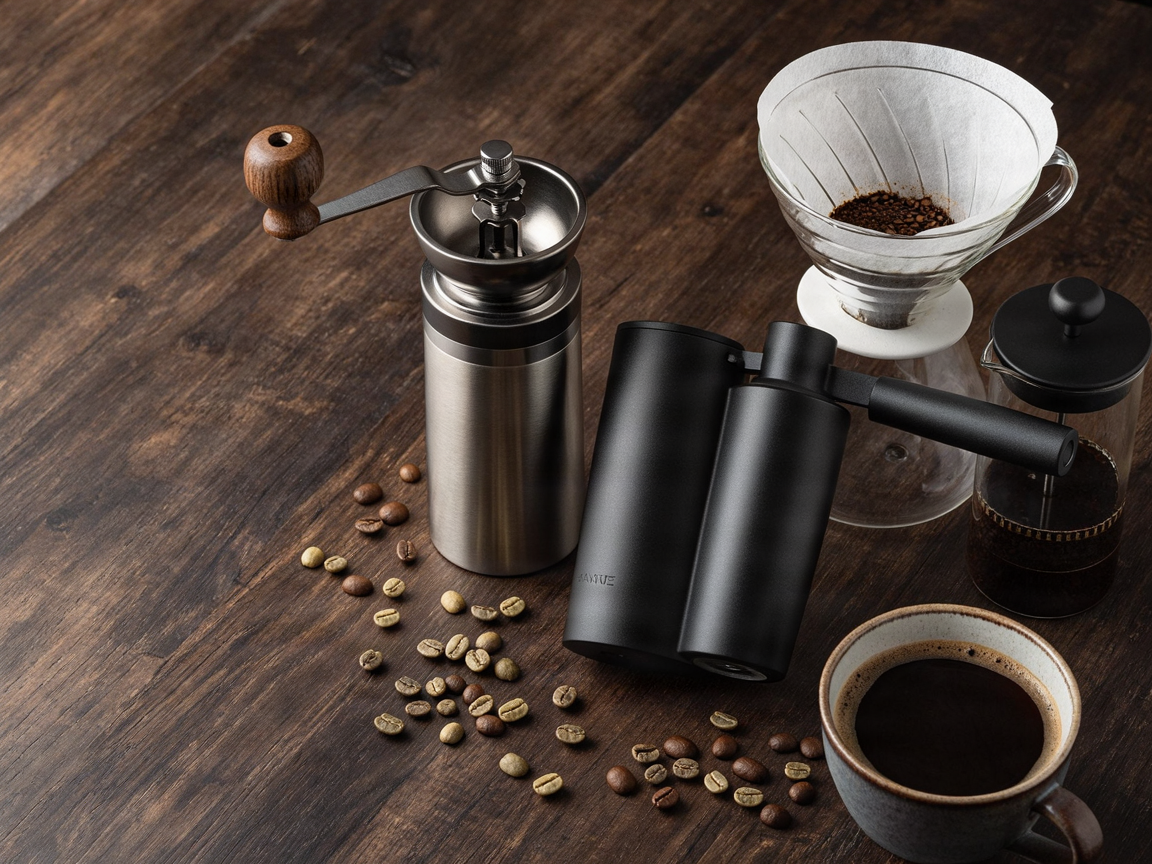
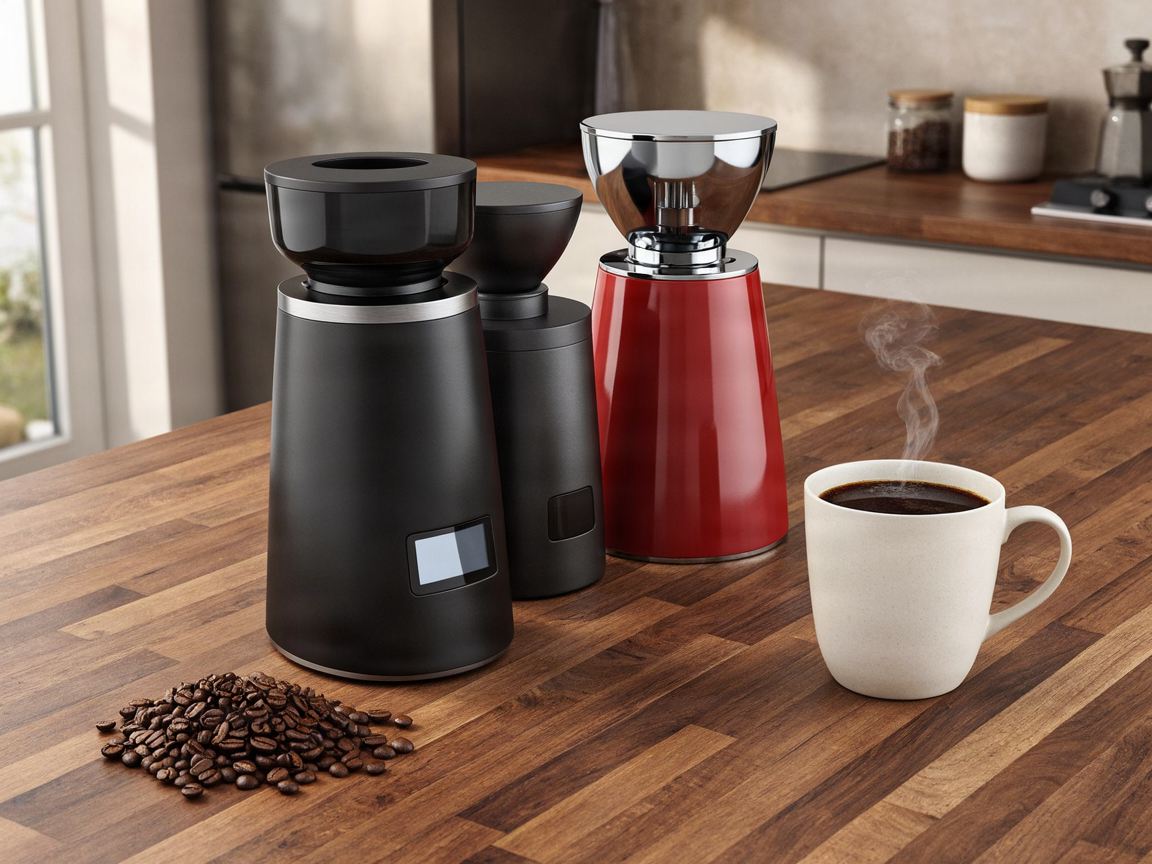
Whatever you choose, how you treat the beans matters as much as which ones you buy. Buy whole beans, check the roast date (use them within about a month of roasting), store them in an airtight container away from light, and grind just before brewing. Even an inexpensive hand grinder makes a noticeable difference. See our pick of the best coffee grinders to get started.
The Daily Brew is reader-supported. As an Amazon Associate we earn from qualifying purchases, at no extra cost to you. It never changes what we recommend.
You might also like
Leave a Reply