For most of its long history, chocolate wasn’t something you ate. It was something you drank: bitter, spiced, frothy and often reserved for kings, warriors and gods. The solid, sweet bar we know today is less than 200 years old. Here’s how a seed from the rainforest became one of the most loved foods on the planet.
Where it all began: the Amazon
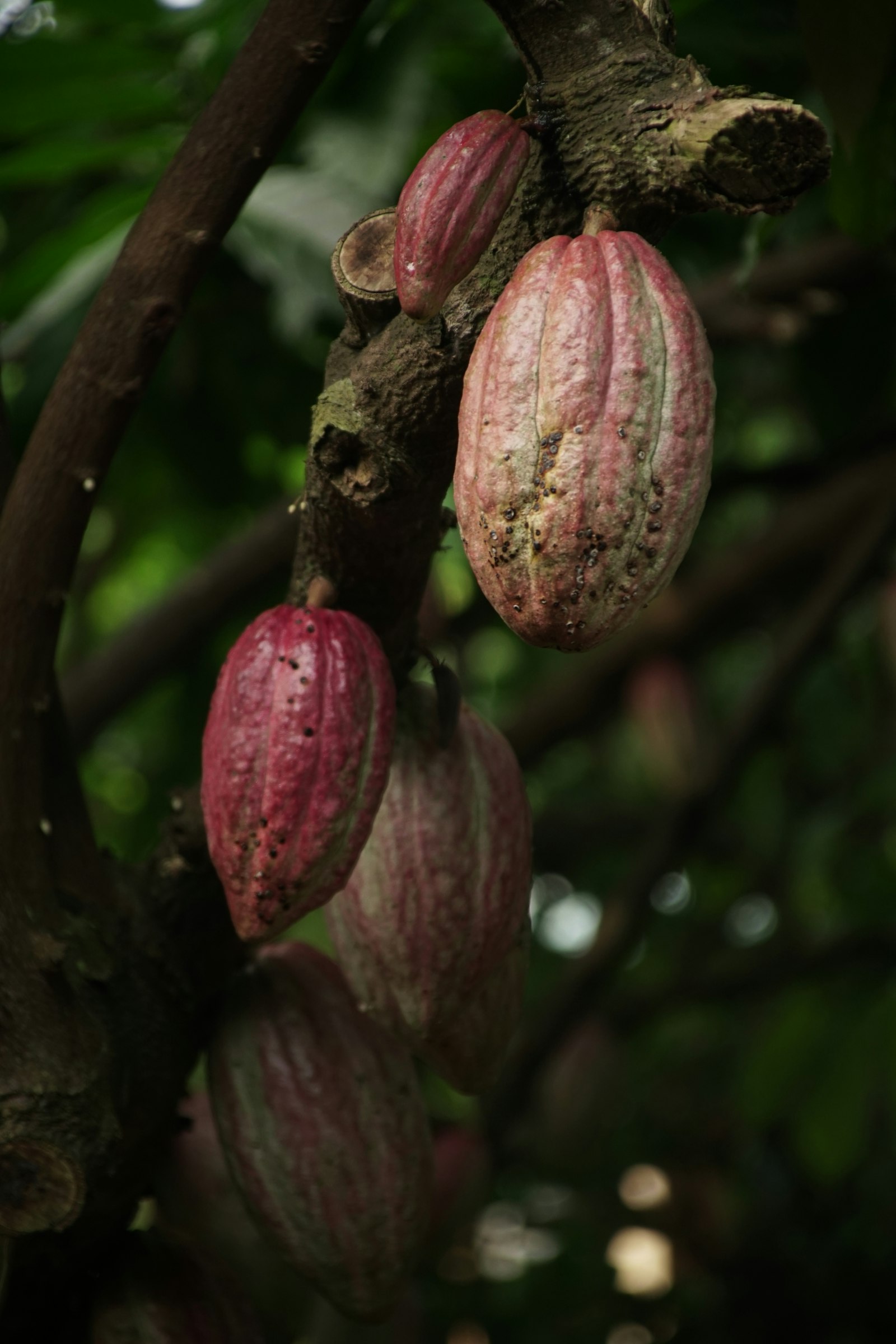
Chocolate comes from the seeds of the cacao tree, Theobroma cacao. The Swedish botanist Carl Linnaeus gave it that name in 1753, and it means “food of the gods”. The tree grows only in a narrow band around the equator, and it first evolved in the upper Amazon basin of South America.
For a long time historians assumed chocolate began in Mexico. But in 2018, archaeologists found traces of cacao on pottery at Santa Ana-La Florida in south-east Ecuador, a site belonging to the Mayo-Chinchipe culture. The traces were around 5,300 years old, pushing chocolate’s story back by about 1,500 years and placing its birthplace firmly in South America.
The Olmecs and the Maya: a drink for the gods
At some point cacao travelled north into Mesoamerica, the region covering modern Mexico and Central America. Some of the earliest evidence there dates from around 1900 BC, and the Olmec civilisation, which flourished from about 1500 BC, is thought to have given us the word kakawa.
The Maya made cacao central to their culture. They roasted and ground the beans, mixed the paste with water, maize, chilli and vanilla, and poured it from a height between two vessels to whip up a prized layer of foam. Cacao was drunk at weddings, offered to the gods and buried with the dead, and the Maya even painted the word kakaw on the pots they drank it from. Their chocolate was bitter, rich and quite unlike anything sold today.
The Aztecs: money that grew on trees
Cacao couldn’t grow in the dry highlands around the Aztec capital, Tenochtitlan, so the Aztecs imported it as tribute from the lands they conquered. The beans were so valuable that they were used as currency: a few beans could buy a tomato or a tamale, and a hundred or so could buy a turkey. Counterfeiters even hollowed out beans and filled them with mud.
Drinking chocolate was a luxury for nobles, priests and warriors. Accounts written after the Spanish conquest describe the emperor Moctezuma II drinking cup after cup from golden goblets. These stories are probably exaggerated, but they show how closely chocolate was linked to power and wealth.
Chocolate arrives in Europe
The first Europeans to come across cacao were probably Christopher Columbus and his crew, who seized a trading canoe off the coast of Honduras in 1502 and found it carrying cacao beans. They had no idea what they were. It was after Hernán Cortés arrived in Mexico in 1519 that the Spanish began to understand both the drink and its value.
The Spanish found the bitter drink hard to love at first, but they soon adapted it to their own tastes. They added cane sugar, cinnamon and vanilla and served it hot. By the mid-1500s chocolate had reached Spain, where it became a fashionable drink among the nobility and clergy. From there it spread across Europe: to Italy, to France (helped by the marriage of the Spanish princess Anne of Austria to Louis XIII in 1615), and eventually to Britain.
London’s chocolate houses
Chocolate reached England in the mid-1600s. In 1657, a Frenchman opened what is thought to be London’s first chocolate house, selling “an excellent West India drink”. Chocolate houses soon sat alongside coffee houses as places to drink, gossip, gamble and talk politics. Samuel Pepys mentioned drinking chocolate in his famous diary, and White’s, one of London’s oldest gentlemen’s clubs, began life in 1693 as a chocolate house.
Around the same time, the physician and collector Sir Hans Sloane encountered cacao in Jamaica and is credited with popularising the idea of mixing it with milk. His recipe was later sold by London apothecaries as a health drink, and the idea of milky chocolate never went away.
The darker side of chocolate’s story
Europe’s growing appetite for chocolate came at a terrible human cost. To meet demand, European powers set up cacao plantations across Central and South America and the Caribbean, worked first by forced Indigenous labour and then by enslaved Africans. Sugar, which made chocolate palatable to Europeans, was produced by the same brutal system. It’s an uncomfortable but essential part of chocolate’s history.
The industrial revolution: from drink to bar
For more than 3,000 years, chocolate was mostly drunk. A handful of 19th-century inventions changed that in just a few decades:
- 1828, cocoa powder: the Dutch chemist Coenraad van Houten patented a press that squeezed most of the fat (cocoa butter) out of roasted cacao, leaving a cake that could be ground into powder. Treating it with alkaline salts made it milder and easier to mix. This “Dutch process” cocoa is still used today.
- 1847, the first chocolate bar: J.S. Fry & Sons of Bristol mixed cocoa powder and sugar with melted cocoa butter to make a paste that could be pressed into a mould. The result is widely considered the first modern eating chocolate.
- 1875, milk chocolate: in Switzerland, Daniel Peter spent years trying to combine chocolate and milk without it spoiling. He eventually succeeded using condensed milk made by his neighbour, Henri Nestlé.
- 1879, the conche: Rodolphe Lindt of Bern invented a machine that stirred liquid chocolate for hours, sometimes days. It turned gritty chocolate into the smooth, melt-in-the-mouth texture we expect today.
Britain’s great chocolate families
Britain played a huge part in turning chocolate into an everyday treat, and much of it was down to Quaker families. Quakers were barred from many professions, and their opposition to alcohol made cocoa an appealing alternative to gin and beer.
John Cadbury opened a shop in Birmingham in 1824 selling tea, coffee and drinking chocolate. His sons George and Richard later built the Bournville factory and model village, with decent housing, parks and schools for their workers. Cadbury Dairy Milk followed in 1905. In York, the Rowntree and Terry families built chocolate empires of their own, giving us the Kit Kat, the Aero and the Chocolate Orange. Fry’s in Bristol completed the big Quaker trio. Their brands remain household names today.
Chocolate today
Cacao has come a long way from the Amazon. Today around 60% of the world’s cocoa is grown in just two West African countries, Côte d’Ivoire and Ghana, mostly by small family farmers who often earn very little. Child labour and deforestation remain serious problems in the industry, which is why schemes such as Fairtrade and Rainforest Alliance, and brands that trace their beans back to the farm, matter.
Recent years have been turbulent. Disease and extreme weather hit West African harvests hard, and in 2024 cocoa prices soared to record highs, which is one reason chocolate bars have shrunk and prices have risen. At the same time, a growing “bean-to-bar” movement of small craft makers is rediscovering cacao’s flavour, sourcing beans from single farms and treating them with the care usually given to fine coffee or wine.
Chocolate through the ages at a glance
| When | What happened |
|---|---|
| c. 3300 BC | Earliest known use of cacao, by the Mayo-Chinchipe culture in Ecuador |
| c. 1500 BC | Olmecs in Mesoamerica drink cacao |
| c. AD 250–900 | Classic Maya period: cacao used in rituals, feasts and burials |
| 1400s–1500s | Aztecs use cacao beans as currency |
| 1502 | Columbus encounters cacao beans off Honduras |
| 1519 | Cortés arrives in Mexico |
| 1657 | London’s first chocolate house opens |
| 1824 | John Cadbury opens his shop in Birmingham |
| 1828 | Van Houten’s cocoa press |
| 1847 | Fry’s makes the first chocolate bar |
| 1875 | Daniel Peter creates milk chocolate |
| 1879 | Lindt invents the conche |
| 1905 | Cadbury Dairy Milk launches |
| 2024 | Cocoa prices hit record highs |
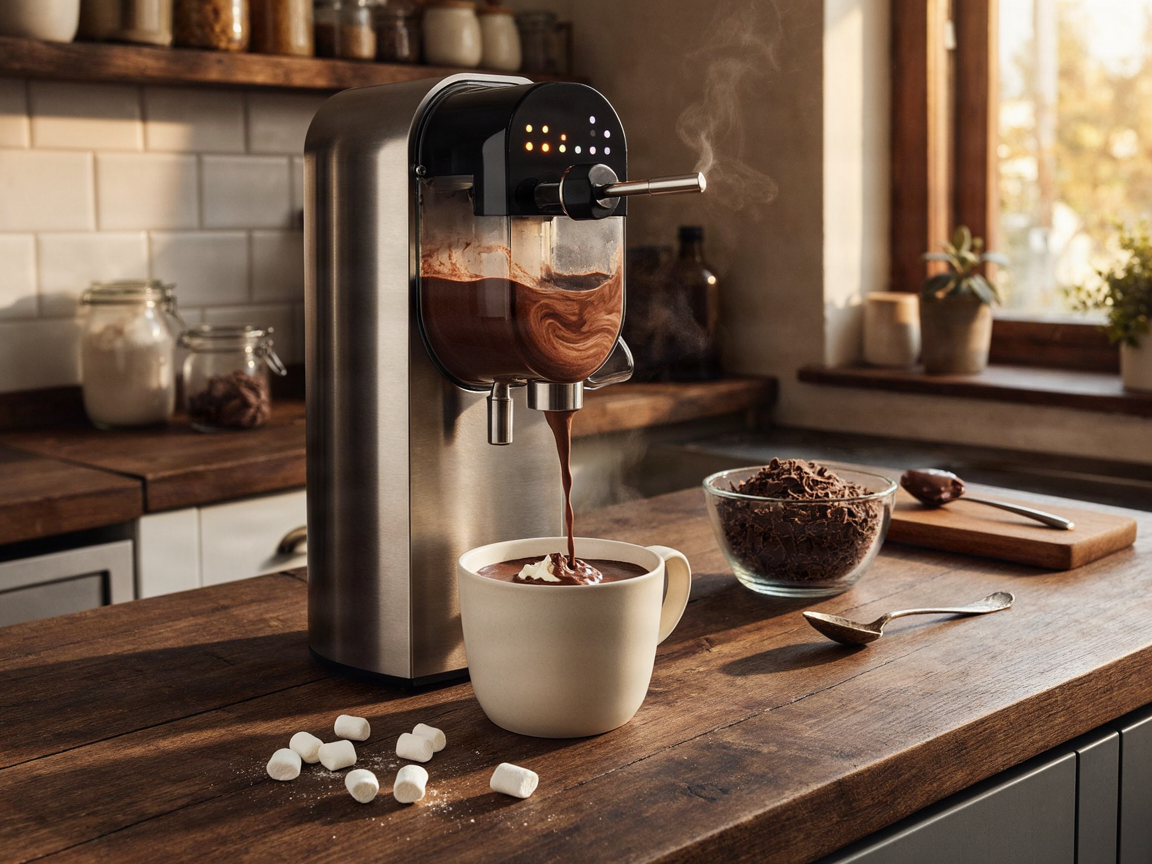
Next time you curl up with a mug of hot chocolate, you’re carrying on a tradition that’s more than 5,000 years old, just with a lot more sugar and a lot less chilli. If you fancy upgrading your cup, take a look at our picks of the best hot chocolate and hot chocolate makers.
The Daily Brew is reader-supported. As an Amazon Associate we earn from qualifying purchases, at no extra cost to you. It never changes what we recommend.
You might also like

Leave a Reply